In many workplaces, exposure to airborne contaminants is a serious concern. From construction sites to laboratories, industrial plants to healthcare settings, the air we breathe can contain dust, chemicals, fumes, or pathogens that pose significant health risks. This is why respirator safety is not just a regulatory requirement, it is a critical component of protecting workers’ health and ensuring a safe working environment.
What Is a Respirator?
A respirator is a personal protective device designed to prevent harmful substances in the air from being inhaled. Unlike standard masks, respirators provide a higher level of protection by filtering out dangerous particles, gases, or vapors.
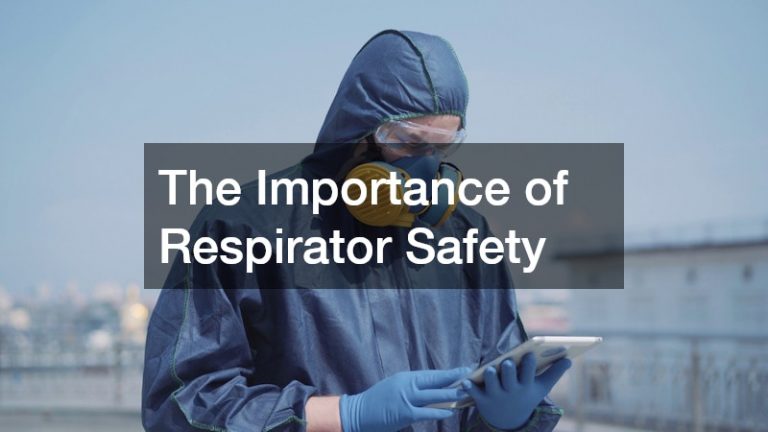
There are several types of respirators, including disposable masks, half-face respirators, full-face respirators, and powered air-purifying respirators (PAPRs). The type of respirator required depends on the nature of the hazard and the level of exposure in the workplace.
Understanding the differences between these types is essential. For instance, disposable respirators, often known as N95 masks, are effective against dust and certain airborne pathogens but are not suitable for environments with toxic gases. On the other hand, full-face respirators provide both respiratory and eye protection, making them ideal for chemical handling or high-risk industrial work.
The Importance of Proper Fit
Even the most advanced respirator cannot provide adequate protection if it does not fit correctly. Proper fit is a cornerstone of respirator safety. Fit testing ensures that the respirator forms a complete seal around the wearer’s nose and mouth, preventing contaminants from entering. Without a proper fit, airborne particles can bypass the filter entirely, leaving the worker vulnerable to exposure.
Training is equally important. Employees must know how to don and doff their respirator safely, avoid touching the filter, and check the seal before entering hazardous areas. Simple mistakes, such as wearing a respirator with facial hair that interferes with the seal, can significantly reduce its effectiveness. Consistent training and reinforcement of proper use are essential for maintaining high standards of respiratory protection.
Maintenance and Inspection
Respirators require ongoing maintenance to function as intended. Filters and cartridges should be replaced according to manufacturer guidelines, and any damaged or worn equipment should be removed from service immediately. Regular inspection of straps, valves, and facepieces helps identify potential failures before they put the worker at risk.
Cleaning is another critical aspect of respirator safety. Reusable respirators must be cleaned after each use with approved disinfectants, especially in healthcare or laboratory settings. Proper storage is also necessary, keeping respirators in a clean, dry environment helps prevent contamination and ensures they are ready for use when needed.
Legal and Regulatory Considerations
Workplace respirator safety is not just best practice, it is also legally required in many industries. Regulatory agencies such as the Occupational Safety and Health Administration (OSHA) in the United States mandate the use of respirators when workers are exposed to harmful substances that cannot be controlled by other means. Employers are responsible for providing appropriate respirators, training employees, and implementing written respiratory protection programs.
Noncompliance can have serious consequences, including fines, legal liability, and increased workplace illnesses. More importantly, failure to follow respirator safety guidelines can result in long-term health effects for employees, such as chronic respiratory diseases, lung damage, or chemical-related illnesses.
Building a Culture of Safety
A strong culture of safety reinforces the importance of respirator use. Employers should provide clear guidelines, training, and resources for proper use, while workers should feel empowered to report concerns about equipment or exposure. Encouraging open communication helps identify potential hazards early and promotes consistent adherence to safety practices.
Regular audits and refresher training also help maintain high standards. By making respirator safety a visible priority, organizations not only comply with regulations but also demonstrate a commitment to protecting their workforce. Over time, this approach fosters trust, reduces incidents, and improves overall workplace productivity.
Respirator Safety Beyond the Workplace
Respirator safety extends beyond industrial or healthcare settings. In certain scenarios, such as wildfire smoke, pandemics, or urban pollution, respirators can provide essential protection for the general public. Understanding how to select the right type of respirator, ensure proper fit, and use it effectively can prevent exposure to harmful particles and maintain respiratory health during emergencies.
Respirator safety is more than just a regulatory requirement, it is a vital practice for protecting health, preventing long-term respiratory issues, and maintaining a safe and productive work environment. By selecting the right respirator, ensuring proper fit, performing regular maintenance, and fostering a culture of safety, employers and employees can work together to minimize exposure to airborne hazards.
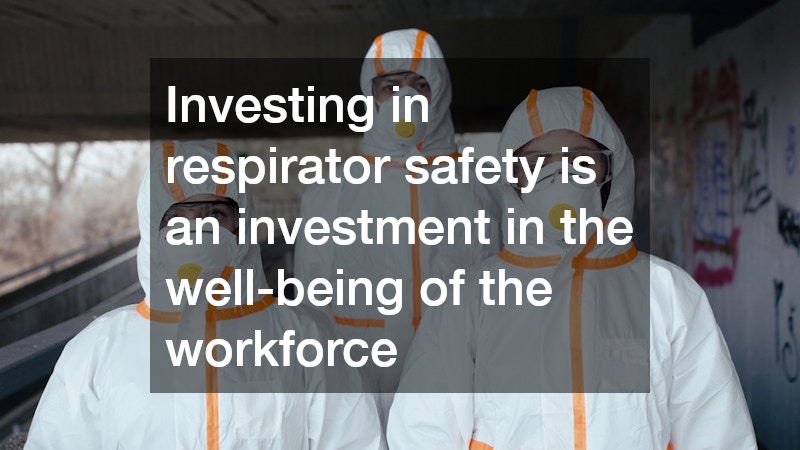
Investing in respirator safety is an investment in the well-being of the workforce. Whether in industrial workplaces, healthcare facilities, or emergency situations, a well-maintained and properly used respirator can make the difference between safe working conditions and serious health risks. Prioritizing respirator safety ensures that everyone can breathe easier, literally and figuratively, while performing their jobs effectively and safely.