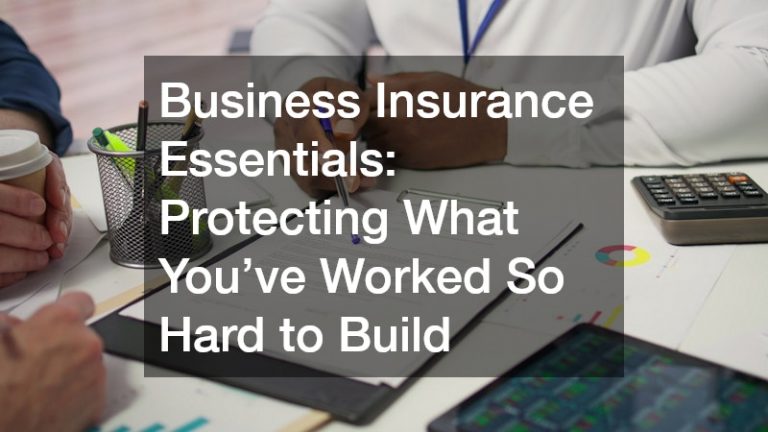
Building a business takes vision, persistence, and countless hours of hard work. From the early planning stages to daily operations, entrepreneurs invest not only money but also time, energy, and passion into making their companies succeed. However, no matter how carefully a business is managed, unexpected risks can arise. This is where business insurance becomes essential. Understanding and securing the right business insurance is crucial for protecting the investment and effort you’ve put into building your company.
This article explores the fundamental aspects of business insurance and addresses common questions entrepreneurs have about safeguarding their businesses.
What Types of Business Insurance Do I Need?
The types of business insurance you need depend largely on your industry, size, location, and operational risks. While every business is unique, there are several core insurance policies that most companies should consider. These include general liability insurance, property insurance, and workers’ compensation. Evaluating your business activities, assets, and workforce can help determine which policies are necessary to provide adequate protection and ensure compliance with legal requirements.
General Liability Insurance
General liability insurance is often considered the foundation of a business insurance plan. It protects your business against common risks such as bodily injury, property damage, and personal or advertising injury claims. For example, if a customer slips and falls at your place of business or if your company is accused of causing damage to someone else’s property, general liability insurance can help cover legal fees, medical costs, and settlements.
This type of coverage is especially important for businesses that interact directly with customers, clients, or vendors. Even a single lawsuit can be financially devastating without insurance, making general liability coverage a critical safeguard for businesses of all sizes.
Property Insurance
Property insurance plays a crucial role in protecting the physical assets of your business. This includes buildings, equipment, inventory, furniture, and other tangible property. Coverage typically applies to losses caused by events such as fire, theft, vandalism, or certain natural disasters.
For businesses that rely heavily on physical assets to operate, property insurance helps ensure continuity after an unexpected loss. Without it, replacing damaged or destroyed property could place a severe financial strain on the business. Whether you own or lease your workspace, property insurance helps preserve the value of the assets you’ve worked hard to acquire.
Workers’ Compensation
Workers’ compensation insurance provides coverage for employee-related injuries and illnesses that occur as a result of work activities. It typically covers medical expenses, rehabilitation costs, and a portion of lost wages while the employee recovers. In many regions, workers’ compensation is legally required for businesses with employees.
Beyond legal compliance, workers’ compensation insurance benefits both employers and employees. It ensures that employees receive prompt care and financial support, while also protecting employers from costly lawsuits related to workplace injuries. A well-structured workers’ compensation policy contributes to a safer and more secure work environment.
How Much Will Business Insurance Cost?
The cost of business insurance varies widely based on several factors. There is no one-size-fits-all price, but understanding what influences premiums can help business owners budget effectively and find suitable coverage.
Industry Type
The industry your business operates in is one of the most significant factors affecting insurance costs. Businesses in higher-risk industries, such as construction or manufacturing, generally pay higher premiums due to increased exposure to accidents and claims. Lower-risk industries, such as consulting or online services, often have more affordable insurance options. Insurers assess industry-specific risks to determine appropriate pricing.
Business Size
The size of your business also impacts insurance costs. Factors such as the number of employees, annual revenue, and physical footprint all play a role. Larger businesses typically face greater exposure to risks, which may require broader coverage and result in higher premiums. Smaller businesses, while often paying less, still need sufficient coverage to protect against potential losses.
Coverage Needs
The level and scope of coverage you choose directly influence pricing. Higher coverage limits and additional policy endorsements increase premiums but also provide greater protection. It’s important to strike a balance between affordability and adequate coverage. Tailoring policies to your specific business needs helps avoid paying for unnecessary coverage while ensuring critical risks are addressed.
How to Choose the Right Insurance Provider?
Selecting the right insurance provider is just as important as choosing the right coverage. A reliable insurer becomes a long-term partner in protecting your business.
Reputation and Stability
An insurance provider’s reputation and financial stability are key indicators of reliability. Researching an insurer’s history, customer reviews, and financial ratings can help ensure they have the resources to pay claims when needed. A stable provider offers peace of mind, especially during challenging situations.
Policy Options
Different insurers offer varying policy options and levels of customization. Look for providers that offer flexible coverage solutions aligned with your business goals. The ability to bundle policies or adjust coverage as your business grows can be a valuable advantage.
Customer Service
Excellent customer service is essential when managing claims or policy changes. A responsive and knowledgeable support team can make a significant difference during stressful situations. Evaluating how insurers handle inquiries and claims can help you choose a provider that values long-term client relationships.
Securing the right business insurance is a fundamental step in safeguarding the legacy you’re building. By understanding the different types of insurance available, the costs involved, and how to choose the right provider, you can ensure that your business is well-protected against unforeseen challenges. With the right coverage in place, you can focus on growth and innovation, confident that what you’ve worked so hard to build is protected.