Planning a large outdoor event or managing a sprawling job site involves far more than booking a venue or breaking ground. Beneath the obvious expenses of labor, equipment, and permits lies a web of costs that catch many organizers off guard. From sanitation logistics to liability exposure, these hidden expenses can quietly inflate a budget by thousands of dollars. Understanding them upfront is the key to protecting your wallet and your peace of mind.
Sanitation and Restroom Logistics for Large Crowds
One of the most overlooked line items in any outdoor event budget is sanitation. Organizers often underestimate how many restroom units are needed per guest, and scrambling for last-minute solutions almost always costs more than planning ahead. Many event planners turn to bathroom trailer rentals when portable toilets simply will not cut it for weddings, festivals, or corporate gatherings expecting a few hundred guests or more. These trailers require generators, water hookups, and regular servicing, all of which add to the final invoice if not negotiated early.
Beyond the unit rental itself, delivery distance, ground conditions, and servicing frequency can all shift the price. A muddy field far from a paved road may require special equipment to place units safely, and that logistical challenge often gets passed along as an extra fee.
- Ask vendors for an all-in quote that includes delivery, setup, and pickup
- Factor in servicing frequency for multi-day events
- Confirm water and power requirements in advance
- Request a site visit if ground conditions are uncertain
Permits, Inspections, and Local Compliance Fees
Many municipalities require specific permits for large gatherings or active job sites, and these can include mass gathering permits, temporary use permits, electrical and plumbing permits, and right-of-way permits if you’re blocking streets or sidewalks. Application fees alone can range from a couple hundred dollars to several thousand, depending on expected attendance or project scope, and some cities calculate fees based on a sliding scale tied to headcount or site acreage. The application fee is just the beginning. Inspectors may need to visit the site multiple times — before, during, and after setup — to verify everything from structural stability to electrical safety. Failing an inspection can mean rescheduling fees, forced downtime while you make corrections, and in some cases a daily fine until the issue is resolved. Noise ordinances, fire marshal approvals, and temporary structure permits each come with their own paperwork, inspection schedule, and price tag. A fire marshal might require on-site extinguishers, clearly marked exits, and a certain spacing between tents or stages, all of which need sign-off before doors open. If your event runs past a city’s designated quiet hours, you may need a separate noise variance permit, and violating it after the fact can trigger fines that dwarf the original permit cost. Smaller jurisdictions sometimes layer on additional requirements, like health department permits for food vendors or separate approvals for alcohol service, each with its own inspection and renewal cycle. Because rules vary so much by city and county, it’s worth budgeting extra time and money for compliance research alone, since a missed local ordinance can delay an event far more than any single fee.
It is common for first-time organizers to miss a required permit entirely, only to discover the oversight when a city official shows up mid-event. Depending on the location, you may need separate permits for amplified sound, food service, alcohol sales, temporary structures like tents and stages, fire lane access, and even street closures if the event spills onto public roads. Each of these typically comes from a different department, so there’s rarely one office that can confirm you’ve covered everything. That kind of surprise can result in fines or even a shutdown, which costs far more than the permit itself would have. A noise violation alone can run several hundred dollars per incident, and a shutdown mid-event means refunding vendors, ticket holders, or clients while still owing money for labor and rentals already committed. Inspection fees add another layer that’s easy to underestimate. Fire marshals often charge for on-site inspections of tents, generators, and electrical setups, and these inspections sometimes require a re-visit if something fails the first time, doubling the fee. Building a buffer of a few hundred to a few thousand dollars into your budget for permitting and inspections, depending on event size, is a reasonable safeguard against these last-minute costs.
- Research every local, county, and state permit that may apply, including noise variances, temporary structure permits, fire department sign-offs, and food/alcohol licensing
- Factor in permit lead times — some jurisdictions require applications 30-90 days before the event
- Budget time and money for re-inspections if issues are found, since failed inspections can delay setup or trigger daily fines
- Keep copies of all approvals on site during the event, both printed and digital, for quick access if an inspector shows up unannounced
- Ask the venue or site owner what permits they already hold, such as occupancy limits or standing fire marshal approvals, to avoid paying for duplicates
- Confirm whether permits need to be displayed publicly, as some municipalities require visible postings at entrances or job site fencing
Weather Contingency Planning and Equipment
Outdoor events are at the mercy of the elements, and weather-related contingencies are rarely built into initial budgets. Tents, flooring, heaters, and generators meant purely as backup can double rental costs if a forecast turns unfavorable. Many vendors charge premium rates for emergency or short-notice rentals, so organizers who wait until the week of the event often pay significantly more.
Ground protection mats, sandbags, and drainage solutions are also frequently forgotten until the day rain actually falls. Having these items ready ahead of time, even as a precaution, is almost always cheaper than scrambling once the ground is already a problem.
Traffic Control and Parking Management
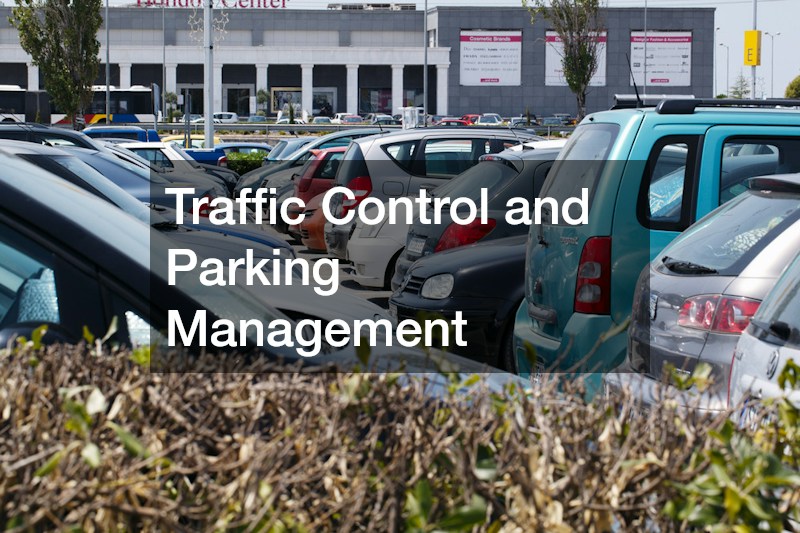
Large outdoor events often draw more vehicles than any nearby parking lot can handle, and that creates a ripple effect of costs. Hiring traffic control personnel, renting signage, and coordinating with local police for road closures are expenses that rarely make it onto a first-draft budget. Shuttle services may also become necessary if parking is located off-site, adding transportation fees to the mix.
Poor traffic planning does not just cost money, it can also create safety hazards that put attendees at risk. Congested entry and exit points are a common source of accidents, which is one more reason to treat traffic flow as a real budget line rather than an afterthought.
- Request traffic studies from the city if road closures are involved
- Budget for signage, cones, and barricades
- Consider shuttle or rideshare drop-off zones
- Coordinate with local law enforcement early in the planning process
Liability Insurance and Legal Protection
Any event or job site that brings large numbers of people together carries legal risk, and insurance premiums for these gatherings can be steeper than expected. General liability coverage, alcohol liability if drinks are served, and worker’s compensation for job site crews all add up. Organizers sometimes assume a venue’s existing policy covers their event, only to learn later that additional coverage was required.
Despite careful planning, accidents still happen, and that is where legal guidance becomes valuable. A car accident lawyer may become relevant if event parking spills onto busy roads and a collision occurs nearby. Separately, a motorcycle accident attorney might be consulted if a rider is involved in an incident near a job site where heavy equipment or detours affected visibility. Having a basic understanding of your liability exposure before the event, rather than after an incident, puts organizers in a far stronger position.
- Confirm what your venue’s insurance policy actually covers
- Ask about alcohol liability if beverages will be served
- Keep an incident report template on hand for any mishaps
- Review worker’s compensation requirements for job site staff
Waste Removal and Site Cleanup
Cleanup costs are notoriously underestimated, especially for multi-day events or job sites that generate construction debris alongside everyday trash. Dumpster rental sizes need to match actual waste volume, and ordering too small a unit often means paying for a second pickup. Recycling requirements in some cities add another layer of sorting and cost that organizers do not always anticipate.
Ground restoration is another expense that sneaks up on organizers after the final guest or worker leaves. Grass that was damaged by heavy equipment or tents, or soil that was compacted by foot traffic, sometimes requires professional reseeding or aeration to bring the site back to its original condition.
- Order dumpsters sized for worst-case waste volume
- Ask about recycling and composting requirements locally
- Budget for ground restoration if the site is a rented property
- Schedule final walkthroughs to confirm the site meets contract terms
Injury Claims and Legal Recourse After an Incident
Even with the best planning, injuries can happen on a crowded event ground or an active job site, and understanding the legal landscape matters. Personal injury lawyers are often brought in when an attendee or worker is hurt due to unsafe conditions, faulty equipment, or inadequate signage. These cases can hinge on whether proper precautions were documented, which is why keeping detailed records of safety measures is so valuable.
When organizers want to protect themselves from drawn-out disputes, seeking out some of the best accident attorneys for a consultation before the event can clarify what documentation and insurance steps are truly necessary. This is not about expecting the worst, but about being prepared if it happens. A short conversation with a legal professional can reveal gaps in a safety plan that are far cheaper to fix in advance than to litigate afterward.
- Document every safety measure taken on site
- Keep contact information for a legal advisor during the event
- Review contracts with vendors for liability clauses
- Train staff on basic incident reporting procedures
Hosting a large outdoor event or running an expansive job site is rarely as simple as the initial budget suggests. Sanitation, permits, weather contingencies, traffic, insurance, cleanup, and legal preparedness all carry costs that reveal themselves only with careful research. The smartest next step is to build a line-by-line budget that accounts for these hidden factors before signing a single contract. Taking that time upfront will save money, stress, and potential legal headaches down the road.