Running a successful business takes far more than selling a good product or landing loyal clients. Behind every smooth workday sits a quiet network of physical spaces, utility systems, office equipment, and workplace policies. When any single piece of that foundation starts to slip, employees feel the friction right away.
Many growing companies treat building maintenance, office moves, and administrative planning as separate problems. A facilities supervisor handles roof leaks, an office manager orders copy paper, and leadership calls an attorney only when a dispute lands on their desk. That scattered approach often leads to rushed repairs, unexpected bills, and avoidable downtime.
Protecting the Building Envelope from Weather Damage
A commercial building faces sun, wind, rain, and freeze-thaw cycles every week of the year. When leadership ignores exterior wear, small structural flaws quickly turn into ruined drywall, damaged inventory, and halted operations. Smart facility managers start their annual maintenance calendar at the top of the structure.
Low-slope roofs are common on warehouses, retail centers, and office parks because they maximize usable interior space and make rooftop equipment easy to reach. Yet standing water after heavy rain can wear down seams and flashing faster than many owners expect. Partnering with trusted commercial flat roofing services helps companies catch blistered membranes, loose fasteners, and drainage dips before water enters the ceiling cavity.
Even a watertight roof deck suffers when runoff backs up along the perimeter edge during heavy storms. Blocked scuppers force water backward under flashing strips.
Water shedding does not stop at the roof edge. Once rain or melting snow leaves the roof deck, it needs a clear path away from the foundation and walkways. Scheduling professional commercial gutter installation ensures that downspouts, collector boxes, and hangers are sized for heavy storm volume rather than residential rainfall. Properly pitched channels keep runoff from pooling near entry doors or eroding soil around exterior walls.
Creating a Welcoming and Safe Exterior Environment

First impressions happen in the parking lot long before a visitor shakes hands at the reception desk. Overgrown shrubs, cracked walkways, and dark corners send the wrong message to clients and job candidates alike. Exterior upkeep also plays a direct role in workplace safety and liability prevention.
Consistent grounds care keeps trees trimmed away from rooflines, prevents roots from lifting concrete sidewalks, and clears ice or wet leaves from pedestrian paths. Hiring an experienced commercial landscaping service gives a company predictable seasonal care without pulling internal staff away from their regular jobs. Clean turf, neat mulch beds, and healthy trees also help reduce summer heat around paved parking areas.
Routine walkarounds after storms also help property managers spot sunken pavers or damaged fencing before someone trips.
Visibility after sunset matters just as much as daytime curb appeal. Dimly lit loading docks, exterior stairwells, and parking rows create serious hazards for employees leaving late shifts. Bringing in a licensed commercial electrician allows a business to upgrade aging exterior fixtures to bright, energy-saving LED systems with reliable timers or motion sensors. Good outdoor lighting deters trespassers and helps drivers move through tight lots safely during winter evenings.
Keeping Climate Control Reliable Through Every Season
Indoor comfort directly affects concentration, employee morale, and sensitive equipment performance. An office that swings from freezing in the morning to stuffy by mid-afternoon makes it hard for anyone to stay focused on deadlines. Server rooms, medical suites, and light production floors face even tighter temperature rules.
Waiting until the first hard frost to test furnaces or rooftop heat exchangers is a gamble few businesses can afford. Emergency weekend callouts cost more, and replacement parts often take days to ship during peak winter demand. Booking routine inspections and timely commercial heating repairs in early autumn keeps burners clean, belts tight, and thermostats calibrated before cold weather arrives.
Clean air filters and balanced dampers also lower monthly utility bills across large commercial floor plans.
Water systems inside a commercial facility require that same preventive mindset. Breakrooms, multi-stall restrooms, water heaters, and backflow preventers endure heavy daily use from dozens or hundreds of people. Working with a qualified commercial plumber helps facility teams spot slow pipe corrosion, failing pressure valves, and hidden leaks behind walls. Addressing minor drip issues early prevents warped flooring and costly water damage across adjacent suites.
Upgrading Power Infrastructure and Water Systems

As companies add staff, modern workstations, and specialized machinery, older buildings often struggle to keep pace. A floor plan designed fifteen years ago rarely accounts for the current density of dual monitors, charging stations, kitchen appliances, and network hardware. Periodic utility audits keep internal systems safe and compliant with local codes.
Tripped breakers, flickering overhead panels, and warm outlets are clear warning signs that circuits are carrying too much electrical load. Rather than relying on daisy-chained power strips that violate fire codes, smart managers call a commercial electrician to map panel capacity and add dedicated lines where needed. Clean electrical distribution protects sensitive computers from voltage drops and reduces the risk of unexpected outages during peak hours.
Labeling breaker panels accurately and testing emergency exit lights at the same time saves minutes during inspections.
Breakroom expansions and restroom renovations bring similar infrastructure questions for growing teams. Moving a sink, adding a filtered bottle-filling station, or installing commercial dishwashers involves strict venting, drainage slope, and supply line rules. An experienced commercial plumber verifies that new fixtures meet municipal health standards and maintain steady water pressure throughout the building.
Preventing Exterior Drainage and Roof Failures
Severe storms test every joint, fastener, and seal on a commercial property. High winds can peel back metal edging, while clogged drains turn a standard roof deck into a shallow pond within an hour. Facility teams that inspect exterior drainage right after major weather events avoid the worst repair bills.
Leaves, windblown trash, and nesting debris frequently collect around roof drains and scuppers during autumn and spring. Even a durable membrane will eventually fail if trapped water sits over seams for days at a time. Regular checkups from commercial flat roofing services provide documented condition reports, clear debris from drainage points, and reinforce vulnerable flashing around vents and skylights.
Keeping a written log of post-storm roof inspections also helps companies satisfy commercial property insurance requirements.
Downspouts along the building perimeter deserve equal attention during seasonal cleanouts. If a section pulls loose from the fascia or dents under ladder weight, water spills straight down the siding and freezes on sidewalks overnight. Investing in durable commercial gutter installation with heavy-gauge aluminum or steel protects brick, stucco, and metal wall panels from staining and moisture intrusion.
Planning a Smooth Workspace Relocation
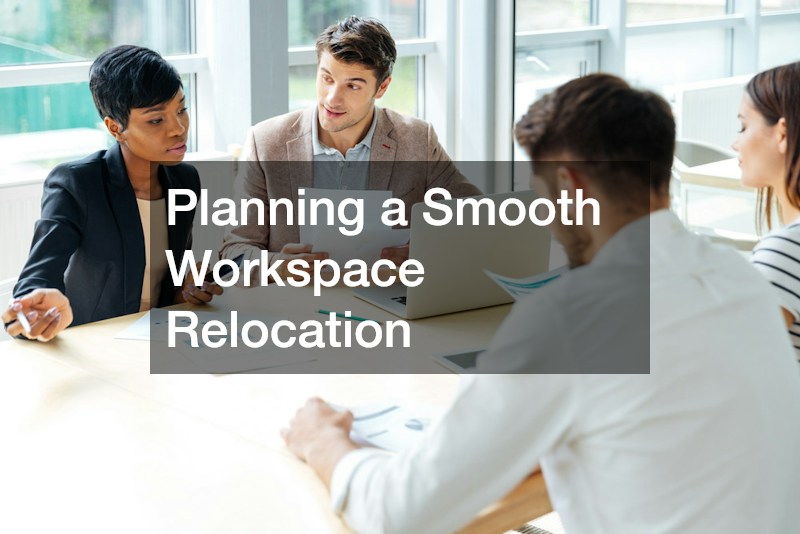
Outgrowing an office is an exciting milestone, yet relocating an active business carries serious logistical pressure. Every hour that desks, phones, and files remain packed in boxes represents lost productivity and delayed client work. Successful moves depend on detailed timelines started months ahead of lease expiration.
Packing up thirty or a hundred workstations requires far more coordination than moving a private household. Desks must be disassembled, monitors padded, IT racks labeled, and freight elevators reserved in advance. Hiring a dedicated office moving service takes the physical burden off employees and ensures fragile electronics travel in proper crates with full transit insurance coverage.
Assigning a floor captain for each department keeps color-coded labels organized so boxes land beside the right desk.
Before moving trucks ever pull up to the new address, operations leaders should also check the exterior readiness of the incoming property. Overgrown brush near loading bays or uneven turf along walkways can slow down unloading crews on moving day. Coordinating a quick visit from a commercial landscaping service ensures clear access routes, tidy entryways, and a sharp presentation when staff arrive.
Setting Up Productive Document and Print Workflows
Once furniture is placed and internet lines go live, teams quickly turn their attention to daily administrative tools. Despite digital cloud folders, most offices still rely heavily on physical printing, scanning, and secure document handling. Signed contracts, shipping manifests, training packets, and client proposals move through shared print stations every day.
Buying cheap desktop printers for every department usually creates high ink costs and constant supply headaches. Instead, growing organizations partner with managed copier services to place high-capacity multifunction machines in central work zones. Automated toner delivery, routine drum maintenance, and rapid technician support keep print queues moving without burdening internal IT staff.
Standardizing print drivers across laptops also cuts down on helpdesk tickets during busy Monday mornings.
Relocating or expanding those print stations requires careful spatial planning as well. Heavy multifunction units need proper floor clearance, airflow ventilation, and dedicated network drops near high-traffic hallways. When companies coordinate equipment placement alongside an office moving service, trained technicians can disconnect, transport, and recalibrate leased machines without voiding hardware warranties.
Modernizing Office Hardware Without Disrupting Staff
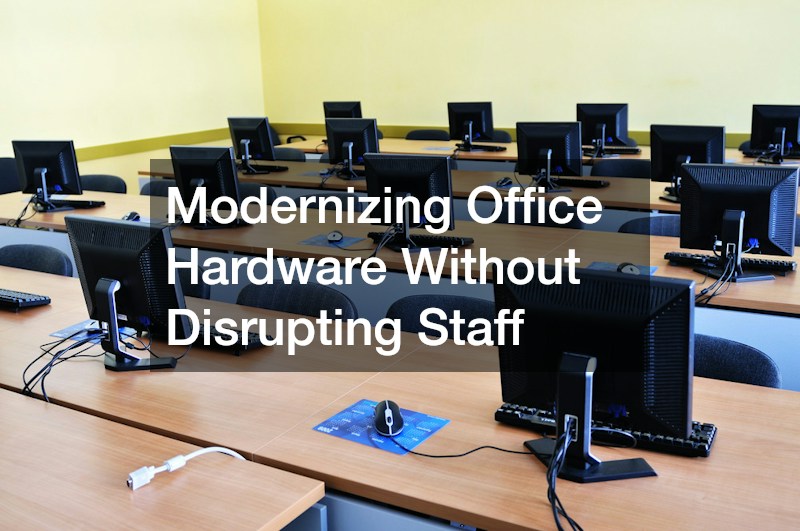
Technology upgrades often stall because managers worry about halting daily work during installation. Yet clinging to outdated office machines slows down billing, frustrates administrative assistants, and creates security gaps on shared networks. Modern print and scan equipment includes user authentication, encrypted hard drives, and simple cloud routing.
Evaluating actual usage patterns helps leadership choose the right equipment tier rather than overpaying for unused speed. A reliable provider of copier services tracks monthly page counts, identifies workflow bottlenecks, and configures scan-to-email shortcuts tailored to each department. Employees spend less time clearing paper jams and more time finishing client deliverables.
Scheduling hardware swaps after regular business hours keeps teams productive while technicians test connections and train staff.
Physical workspace comfort also plays a quiet role in how well teams adopt new tools and routines. Drafty corners or uneven airflow near open workspaces make staff reluctant to gather around shared work islands. Scheduling prompt commercial heating repairs whenever zones fall out of balance keeps shared work areas comfortable year-round so staff can collaborate without distraction.
Building Strong People Operations During Growth
Physical buildings and fast machines only go so far without capable, motivated people running the show. As headcount climbs from a small founding crew to dozens of employees, informal management habits stop working. Clear expectations, fair compensation bands, and consistent onboarding become necessary for keeping turnover low.
Structured human resources practices give managers a repeatable framework for hiring, performance reviews, and workplace conflict resolution. Written job descriptions help candidates understand what success looks like from day one, while regular check-ins catch burnout early. When employees see transparent policies applied fairly across every team, trust grows naturally across the organization.
Consistent onboarding checklists also ensure that new hires receive badges, software logins, and safety training during week one.
Growth also introduces new regulatory obligations that vary by headcount, industry, and state lines. Wage rules, overtime classifications, workplace safety posters, and family leave policies carry strict deadlines and financial penalties for missteps. Consulting an attorney who specializes in business law helps leaders audit employee handbooks and employment agreements before small oversights escalate into formal claims.
Protecting the Company Through Sound Policies and Contracts
Every vendor agreement, commercial lease, and client contract shapes a company’s long-term financial risk. Signing standard templates without careful review can lock a business into automatic renewals, unfair repair obligations, or unclear payment terms. Disciplined companies treat contract review as a standard step before approving any major expense.
Clear internal documentation supports external agreements by defining who has authority to sign contracts and approve vendor budgets. Strong human resources leadership also ensures that confidentiality rules, data handling standards, and workplace conduct policies are signed and understood by every new hire. Consistent records protect both the company and its staff if legal questions arise later.
Annual policy reviews keep employee handbooks aligned with remote work rules, expense limits, and updated data privacy standards across every branch office. Clean version histories prevent confusion when managers enforce company rules.
Finally, ongoing guidance in business law gives executives confidence when negotiating property leases, vendor service levels, or partnership terms. Whether reviewing liability clauses for building contractors or updating customer terms of service, solid legal counsel turns guesswork into clear protection. Combined with dependable facility care and thoughtful office planning, sound governance lets a business focus on steady, long-term growth.