Every facility eventually reaches a point where patched-up systems and outdated materials cost more to maintain than they save. Whether you own a warehouse, manage a retail space, or oversee a commercial property, the materials you choose during an upgrade determine how well that building performs for the next decade. Today’s smarter material choices are driven by durability, lower maintenance costs, and faster installation timelines. This guide walks through the practical decisions behind modern facility upgrades so you can plan yours with confidence.
Evaluating Structural Steel and Framing Options
Before any upgrade begins, most facility owners need to decide how the building’s core structure will be reinforced or expanded. Steel remains the backbone of commercial construction because it resists warping, pests, and fire far better than wood framing. Many contractors now source specific steel shapes and sizes directly from suppliers who stock wholesale barstock, which keeps material costs predictable for larger projects. Buying in bulk this way also reduces delays, since crews aren’t waiting on custom-cut orders from multiple vendors.
Choosing the right structural material upfront prevents costly rework later. A facility owner who understands basic steel grades and finishes can have more productive conversations with contractors and avoid overpaying for unnecessary specifications.
- Ask suppliers about lead times before committing to a steel order
- Confirm whether raw stock needs additional treatment for your climate
- Compare pricing between local and regional steel suppliers
- Request material certifications for structural inspections
Choosing Durable Decking for Outdoor Spaces
Outdoor walkways, patios, and loading areas take a beating from weather, foot traffic, and equipment. Composite decking has become a popular replacement for traditional wood because it resists rot, splintering, and fading without the constant sealing wood requires. It’s especially useful for facilities with public-facing outdoor areas, since it maintains a clean appearance with minimal upkeep. Facility managers who switch to composite materials often report fewer repair calls within the first few years of installation.
The upfront cost of composite materials is higher than pressure-treated lumber, often running 20-30% more per square foot depending on the product line and finish. That price gap narrows considerably once you factor in what happens after installation, especially for facilities with high foot traffic like restaurants, hotels, or apartment complexes. Pressure-treated wood demands annual staining or sealing to fight rot, splintering, and UV damage, which adds up in labor hours and contractor fees year after year. Composite decking sidesteps most of that maintenance cycle, typically needing nothing more than periodic washing to stay in good condition. Many manufacturers back their products with warranties spanning 25 to 30 years, compared to the 10-15 year realistic lifespan of treated lumber under regular use. For businesses trying to control operating budgets over time, that difference in lifespan and upkeep translates into fewer replacement projects and less disruption to outdoor seating, walkways, or common areas. Reduced labor for maintenance, combined with a longer lifespan, makes composite decking a smart choice when the total cost of ownership is weighed against the initial price tag.
Selecting Roofing Systems That Last
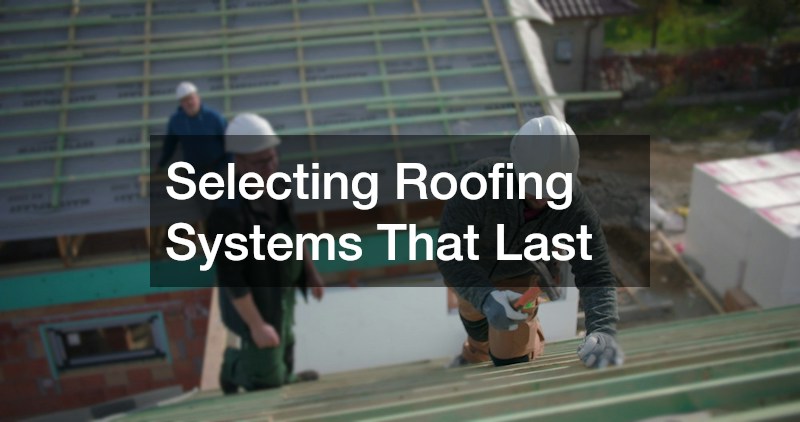
Roofing is one of the most expensive parts of any facility upgrade, and choosing the wrong material can lead to leaks, energy loss, and premature replacement. Experienced roofers can help facility owners weigh options like TPO, EPDM, and metal panel systems based on climate, budget, and building height. Flat commercial roofs, in particular, benefit from reflective membranes that reduce cooling costs during warmer months. A qualified roofing team will also check flashing, drainage slopes, and insulation layers, since these details affect how long a new roof actually lasts.
It’s worth getting multiple quotes before committing to a roofing material, since pricing and warranty terms vary widely between manufacturers. A roof that’s installed correctly the first time saves thousands in future repair costs and downtime.
Managing Debris During Renovation Projects
Any upgrade that involves demolition or material replacement generates a significant amount of waste, and managing it efficiently keeps a project on schedule. Renting a roll off dumpster rental unit sized appropriately for the job prevents debris from piling up and creating safety hazards on site. Facility managers should estimate volume based on the scope of work, since underestimating often means paying for a second haul.
Coordinating dumpster placement with contractors ahead of time also avoids blocking entrances or parking areas during business hours. A little planning around waste removal keeps a renovation project running smoothly from start to finish.
- Choose dumpster size based on square footage being renovated
- Confirm what materials are and aren’t accepted by the hauling company
- Schedule pickup and drop-off around business operating hours
- Ask about weight limits to avoid unexpected overage fees
Starting With a Professional Facility Evaluation
Before spending money on any material upgrade, it makes sense to understand exactly what condition your building is in. A professional condition assessment evaluates the structural, mechanical, and electrical systems of a facility and identifies which components need immediate attention versus long-term monitoring. This process gives owners a prioritized list rather than a guess, which makes budgeting for upgrades far more accurate. Many insurance companies and lenders also request these assessments before approving financing for larger renovation projects.
Skipping this step often leads to piecemeal upgrades that don’t address the root cause of a building’s problems. Starting with a clear picture of the facility’s condition ensures every dollar spent on materials actually solves a real issue.
Building Trade Show Displays That Represent Your Brand
Facility upgrades aren’t limited to permanent structures. Businesses that attend industry events often invest in a custom trade show booth to create a professional, branded presence that stands out from generic setups. Instead of renting a plain pipe-and-drape space, companies are turning to displays that reflect their logo, color scheme, and messaging in a way that’s instantly recognizable across a crowded convention floor. These booths are typically built from lightweight, modular materials such as aluminum extrusion frames, tension fabric panels, and engineered composite laminates that pack down easily for transport and reassemble quickly on-site. Many modular systems can be broken down into cases small enough for standard freight shipping, cutting both logistics costs and setup time from hours to under thirty minutes with a small crew. Choosing durable materials for a booth means it can be reused across multiple events without looking worn or dated. Scratch-resistant laminates, UV-printed fabric graphics, and anodized aluminum components all hold up well against repeated handling, changing venue lighting, and the general wear of travel. Smart material choices also allow for flexibility as branding needs evolve. Interchangeable graphic panels and reconfigurable frame layouts let a business refresh its look for a new product launch or seasonal campaign without replacing the entire structure, protecting the upfront investment over several years of use.
A well-designed booth reflects the same quality standards a business applies to its physical facility. Just as smarter materials are transforming floors, walls, and finishes on-site, that same mindset now extends to how a company presents itself on the trade show floor. Attendees form an opinion about a company within seconds of seeing its booth, and that snap judgment often hinges on materials rather than messaging. Scuffed laminate, warped panels, or flimsy banner stands signal a business that cuts corners, while modular aluminum frames, tension fabric graphics, and rigid composite surfaces suggest durability and attention to detail. These upgraded materials also tend to be lighter and easier to transport, which cuts down on shipping and setup costs over repeated use. Investing in better materials here pays off through stronger first impressions with potential clients and partners. It also pays off practically: high-quality displays hold up across dozens of events, resist wear from constant assembly, and maintain vibrant graphics without fading or cracking, protecting the brand image a company has worked hard to build.
Ensuring Reliable Water Access for Staff and Visitors
Clean water access is a basic requirement for any facility, but not every building has consistent municipal water quality or pressure. Portable water purification systems give facility managers a reliable backup, especially in remote locations or buildings undergoing plumbing upgrades. These systems filter out contaminants and can be scaled to serve anywhere from a small office to a large industrial site. They’re also useful during emergencies when regular water service is disrupted.
Facility owners who invest in backup purification equipment reduce the risk of service interruptions affecting employees or customers. It’s a relatively small investment compared to the potential cost of a health code violation or shutdown.
Expanding Square Footage With Open Interior Layouts
Businesses that need more usable space without the cost of a traditional multi-column structure often turn to clear span buildings for warehouses, event venues, and manufacturing facilities. These structures use engineered trusses to eliminate interior support columns, which maximizes usable floor space for equipment, inventory, or seating. The open layout also makes it easier to reconfigure the space later as business needs change.
Because these buildings can be erected faster than traditional construction, they’re a popular choice for companies needing to expand capacity quickly. The reduced construction timeline also means less disruption to ongoing operations during the upgrade.
Reinforcing Floors With Modern Decking Materials
Multi-level facilities and parking structures require flooring materials that can handle heavy loads without excessive weight or cost. Composite metal decking combines steel sheets with concrete to create a strong, lightweight floor system that’s faster to install than traditional poured slabs. The corrugated steel profile acts as both a stay-in-place form and reinforcement, which means crews spend less time on formwork and rebar placement compared to conventional methods. This material is common in commercial buildings because it reduces the need for additional structural support while still meeting safety codes. Depending on the gauge and profile selected, composite decking can span longer distances between beams, which cuts down on the number of columns needed and frees up usable floor space below. This is especially valuable in parking garages, where clear sightlines and vehicle maneuverability depend on minimizing structural obstructions. Contractors also appreciate that it can be installed in phases without disrupting the entire building’s operations. Because sections can be completed and loaded independently, facilities like hospitals, warehouses, and retail centers can keep parts of the building operational during renovations. The reduced curing time compared to full concrete pours also shortens overall project timelines, helping owners get back to normal operations faster while still meeting long-term durability and load-bearing requirements.
Choosing the right decking material during a structural upgrade affects both the timeline and the long-term durability of the floor system. Galvanized steel decking remains popular for its strength-to-weight ratio and resistance to corrosion, while composite decking panels offer faster installation and reduced dead load in retrofit projects where existing supports can’t handle much additional weight. Fiber-reinforced polymer options are gaining traction in facilities dealing with moisture or chemical exposure, since they resist degradation that would eventually compromise steel or wood alternatives. Facility owners should discuss load requirements with their engineer before finalizing which decking product fits the project. This includes reviewing both live load and dead load calculations, since equipment, foot traffic, and storage needs vary widely between warehouses, manufacturing plants, and office conversions. Span length matters too — longer spans between supports often require deeper deck profiles or additional bracing, which can affect ceiling clearance below. Cost and lead time are equally important factors. Some specialty decking products carry longer manufacturing lead times that can stall a renovation schedule by several weeks, so it’s worth confirming availability early rather than after design plans are finalized. Balancing upfront material costs against expected maintenance and replacement cycles usually gives a clearer picture of true long-term value than sticker price alone.
Keeping Climate Control Systems Running Efficiently
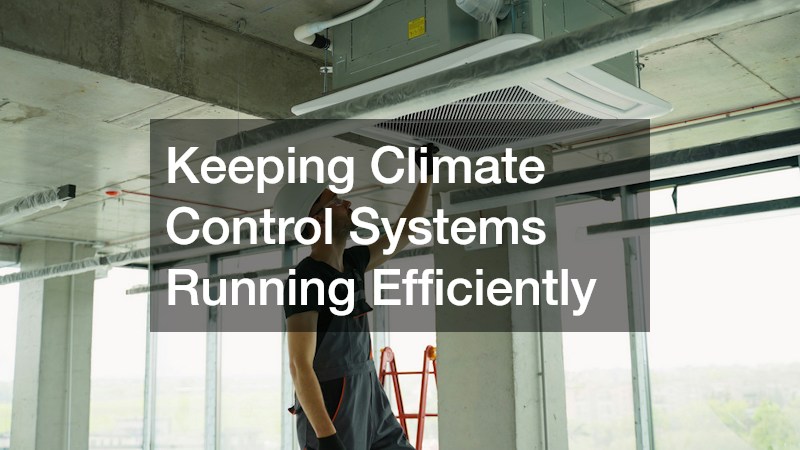
Temperature control is one of the most noticeable factors affecting comfort and productivity inside any facility. When systems run inefficiently or fail outright, the effects ripple quickly: employees grow uncomfortable, equipment sensitive to heat can malfunction, and energy bills climb as units strain to compensate. Regular air conditioning repair prevents small mechanical issues from turning into full system failures during peak usage months. Facility managers who schedule seasonal inspections typically catch problems like refrigerant leaks, worn belts, clogged filters, or failing capacitors before they cause a complete breakdown. Catching these issues early is far less disruptive than dealing with an emergency shutdown in the middle of a heat wave, both operationally and financially. A minor refrigerant leak, for instance, can quietly reduce efficiency by 10-20% for months before it triggers a visible failure. Smarter materials are playing a growing role here as well. Upgraded ductwork insulation, corrosion-resistant coils, and advanced filter media all extend the lifespan of climate control components while reducing the frequency of repairs. Pairing these material upgrades with a consistent maintenance schedule gives facilities the best combination of durability and performance, keeping energy costs predictable and downtime rare.
Upgrading to newer, energy-efficient units during a larger renovation can reduce monthly utility costs significantly, often by 20 to 40 percent depending on the age of the equipment being replaced. Modern HVAC systems with variable-speed compressors and smart thermostats also do a better job of matching output to actual demand, rather than cycling on and off at full capacity throughout the day. Pairing efficient equipment with proper maintenance scheduling extends the lifespan of the entire system and avoids emergency repair costs down the road. Simple, recurring tasks — replacing filters, cleaning coils, checking refrigerant levels, and inspecting ductwork for leaks — catch small issues before they turn into costly breakdowns. Facility managers should also consider building automation systems that track performance data in real time. These platforms can flag efficiency drops or unusual energy spikes early, giving maintenance teams a chance to intervene before a full system failure forces an unplanned shutdown.
Upgrading a facility involves dozens of material and system decisions, but starting with an honest assessment of your building’s current condition puts every other choice into perspective. From structural framing to climate control, the materials you select today directly affect maintenance costs and performance for years to come. Take time to research suppliers, get multiple quotes, and prioritize durability over the cheapest upfront option. A well-planned upgrade pays for itself through fewer repairs, lower operating costs, and a facility that serves your business reliably for the long term.