
The modern logistics industry operates in an environment of unrelenting pressure. Tighter delivery windows, stringent regulatory standards, volatile fuel prices, and fluctuating supply chain demands mean that today’s fleet managers are orchestrating a highly complex operational ballet. In this high-stakes arena, the most critical metric determining success or failure is asset utilization. When a commercial vehicle is rolling, it is generating revenue. When it is parked against a fence or broken down on the shoulder of a highway, it becomes a financial black hole. The reality of commercial downtime extends far beyond the immediate cost of a mechanic’s labor and replacement parts. A single disabled asset cascades rapidly through the entire supply chain, resulting in delayed deliveries, compromised cargo, frustrated clients, and severe damage to a carrier’s reputation. Industry estimates suggest that unexpected downtime can cost a commercial operation anywhere from several hundred to over a thousand dollars per day, per vehicle, depending on the cargo and the contractual obligations attached to the freight.
Therefore, elite management is not simply about doing everything in your power to prevent breakdowns through internal processes; it is equally about mastering recovery. It is about understanding that the unpredictable will inevitably happen, and when it does, your response time must be measured in minutes, not hours or days. This requires moving away from the traditional, reactive scramble of searching for help when an emergency strikes, and moving toward a proactive, deeply integrated rolodex. To build this ironclad network of emergency responders, specialized vendors, and technical experts, transportation leaders must vet and secure partnerships long before the first warning light illuminates on a dashboard. Building a comprehensive vendor ecosystem is an investment in operational resilience, ensuring that no matter where an asset fails or what system malfunctions, a trusted professional is already just a phone call away.
Optimizing Routine Upkeep and Diagnostics
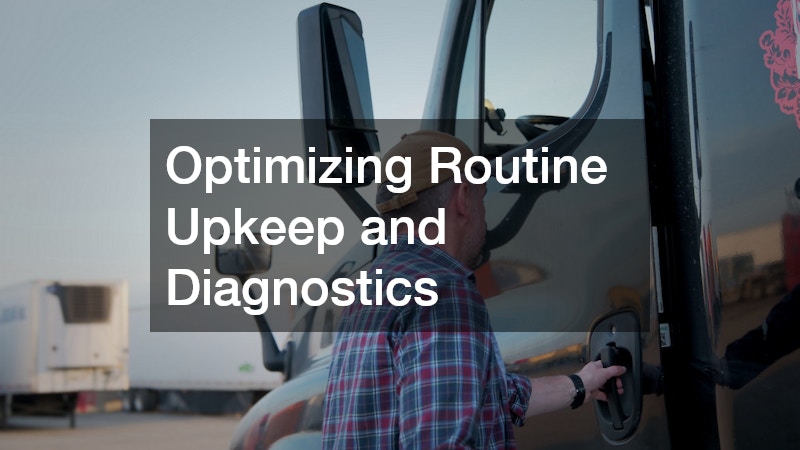
The cornerstone of any reliable commercial operation is the transition from a reactive posture—fixing things only after they break—to a fiercely proactive, data-driven methodology. In the past, upkeep was often tracked on whiteboards or simple spreadsheets, relying heavily on driver reports and generalized mileage intervals. Today, leveraging advanced telematics and integrated software allows transportation leaders to monitor the health of every asset in real time, triggering service intervals based on engine hours, fuel consumption patterns, and predictive component lifespans long before a catastrophic failure occurs. However, gathering this data is only half the battle; executing the necessary mechanical work requires external partners capable of handling the volume and complexity of a modern operation.
-
Establish a Strict Preventive Schedule: By partnering with comprehensive fleet maintenance services, operations can ensure that standard procedures like oil changes, fluid flushes, belt replacements, and brake adjustments happen precisely when the data dictates. A reliable vendor in this category will integrate directly with your internal management software, automatically updating digital records to keep you compliant with federal regulations. This consistency drastically reduces the frequency of over-the-road breakdowns and extends the usable life of the asset by thousands of miles.
-
The Importance of Compliance Audits: Beyond mechanical reliability, your chosen partner should perform rigorous Department of Transportation compliance inspections during every scheduled bay visit. This means checking tread depth, air brake systems, lighting, and steering components to guarantee that every unit dispatched is entirely street-legal, shielding the company from hefty fines and liability in the event of an accident.
-
Identify the Limits of In-House Garages: Many companies operate their own maintenance bays for basic upkeep, but modern commercial vehicles are essentially rolling computers. They feature complex networks of sensors, electronic control modules, and interconnected safety systems that require highly specialized, proprietary software to diagnose properly. When an in-house mechanic encounters a phantom electrical draw or a complex multiplex wiring issue, spending days guessing at the problem is an unacceptable waste of time.
-
Vet Specialized Technicians: To complement your internal team, you must have an established relationship with a highly certified diesel truck repair service that invests heavily in the latest diagnostic computers and ongoing technician training. These experts can plug into an asset, immediately read the fault codes, run bidirectional tests on individual components, and pinpoint the exact source of a malfunction, preventing the costly and time-consuming practice of replacing parts based on guesswork.
Actionable Takeaway for Onboarding Diagnostic Partners: When evaluating a potential diagnostic partner, ask for a complete list of the OEM software licenses they currently hold. Verify that they employ technicians with up-to-date ASE (Automotive Service Excellence) certifications in heavy-duty electrical and electronic systems. Establish a clear communication protocol detailing exactly who is authorized to approve diagnostic labor hours and mandate that all fault codes and diagnostic readouts are attached to the final digital invoice for your own internal records.
Managing Major Powertrain and Exhaust Issues
Even with the most rigorous preventive care program in place, the immense physical stress placed on commercial heavy-haulers means that major mechanical components will eventually reach the end of their operational lifespan. Preparing for worst-case powertrain scenarios—such as blown head gaskets, cracked engine blocks, dropped valves, or catastrophic fuel injection system failures—requires a completely different class of vendor than your standard lube-and-tire shop. These are massive, intricate jobs that require specialized lifting equipment, clean rooms for rebuilding sensitive components, and machinists capable of resurfacing heavy metal components to incredibly tight tolerances.
-
Build Relationships with Master Engine Technicians: When a core power plant fails, the downtime can stretch into weeks if you do not have priority access to an expert facility. Securing a priority service agreement with a facility strictly specializing in heavy-duty diesel engine repair ensures that your disabled asset is pushed to the front of the line. These specialists possess the deep institutional knowledge required to decide whether an engine should be patched, entirely overhauled, or replaced with a remanufactured drop-in unit based on the lifecycle economics of the specific asset.
-
Address Exhaust and Emission System Red Flags: Over the last two decades, federal emissions standards have fundamentally changed the architecture of commercial powertrains. Systems like Diesel Particulate Filters (DPF), Selective Catalytic Reduction (SCR), and Exhaust Gas Recirculation (EGR) are incredibly effective at cleaning emissions, but they are also notoriously finicky and prone to failure if not meticulously maintained. A restriction in this system does not just cause a check-engine light; it chokes the engine’s efficiency and can force the computer to trigger a crippling “limp mode,” drastically limiting speed and power until the issue is resolved.
-
Rapid Exhaust Remediation: You must keep an exhaust and emissions specialist on call who understands the complex chemistry and thermodynamics of these modern systems. Whether a driver needs an emergency forced regeneration on the side of the highway, or a mechanic needs to quickly replace a heavily corroded truck muffler that is leaking exhaust gases into the cabin or throwing off sensor readings, immediate intervention is necessary to maintain legal compliance and restore normal fuel economy.
Actionable Takeaway for Powertrain Management: Develop a rigorous driver training protocol focused entirely on early warning signs of engine and exhaust distress. Drivers should be trained to recognize the specific dash alerts related to soot load and regeneration cycles. They must be empowered to report unusual exhaust colors (such as excessive white or black smoke), unexplained losses in pulling power, or sweet-smelling exhaust leaks that could indicate a ruptured EGR cooler, allowing management to route the vehicle to a specialist before a minor issue becomes a catastrophic engine failure.
Rapid Response for Roadside Emergencies
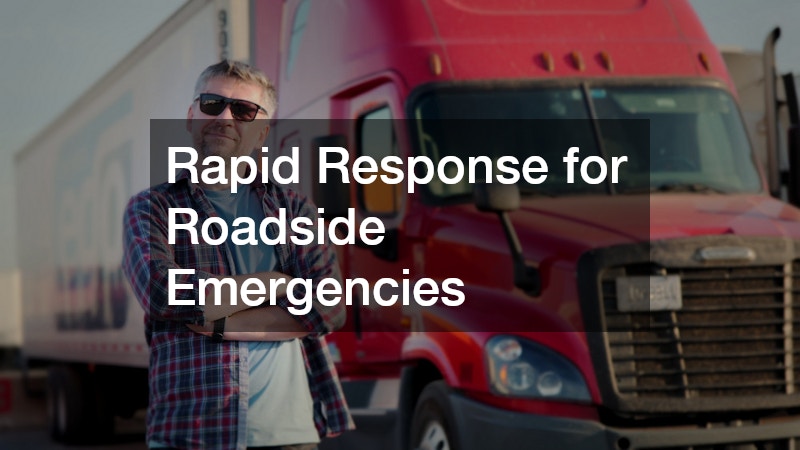
The side of a busy interstate is one of the most dangerous work environments on the planet. When a commercial vehicle loses power, blows a steer tire, or suffers an air system failure while hauling 80,000 pounds at highway speeds, the situation immediately becomes a high-stakes emergency. A stranded asset is not just a logistical hurdle; it is a severe safety hazard to the driver, a risk to the motoring public, and a highly visible liability for your brand. Law enforcement and municipal authorities have very little patience for commercial vehicles blocking traffic lanes, and failing to clear an asset quickly can result in massive, forced-dispatch recovery bills from the state. Navigating these emergencies requires an airtight, pre-negotiated response strategy.
-
Secure Guaranteed Response Times for Heavy Recovery: The logistics of highway recovery for a Class 8 vehicle are immensely complex. It requires massive, specialized machinery and highly trained operators who understand weight distribution, air brake release mechanisms, and driveline disconnection. You must establish a Service Level Agreement (SLA) with a heavy-duty semi truck towing operator well in advance. This SLA should lock in guaranteed maximum response times, standardized hourly rates, and confirmation that the vendor possesses the necessary 50-ton rotators and under-reach wreckers to transport your heavy loads safely without causing secondary damage to the bumper, fairings, or steering geometry of the disabled asset.
-
Manage Cargo and Environmental Hazards: Roadside emergencies often involve more than just a broken vehicle. If a collision has compromised the cargo area or ruptured the saddle tanks, your emergency response network must be capable of handling hazardous material containment, fuel spill remediation, and cargo transfer (cross-docking) on the shoulder of the highway. Ensure your heavy recovery partner is either certified in hazmat cleanup or has a dedicated subcontractor on immediate standby.
-
Keep Multi-Scale Operators on Standby for Mixed Fleets: Many modern logistics operations do not just run heavy haulers. A mixed operation might include a fleet of localized delivery step-vans, mobile mechanic service bodies, sales sedans, and light-duty pickup trucks. Managing these smaller assets requires a different approach to emergency recovery.
-
Diversify Your Recovery Network: To avoid paying exorbitant heavy-wrecker rates for a stranded light-duty van, ensure your vendor list includes a versatile tow truck provider. This partner should be capable of rapidly deploying flatbeds, rollbacks, or standard wheel-lifts that perfectly match the specific weight class and drivetrain configuration (such as all-wheel drive) of your lighter support vehicles, ensuring cost-effective and appropriate recovery methods across the board.
Actionable Takeaway for Emergency Protocols: Create “The 15-Minute Driver Breakdown Protocol.” This laminated, step-by-step safety and communication checklist should be kept in the glovebox of every company vehicle. It must instruct drivers on exactly how to deploy safety triangles, when to remain in the cab versus when to evacuate behind the guardrail, what specific location data to provide to dispatch (mile markers, overpasses, directional flow), and exactly which emergency numbers to call if dispatch is unreachable.
Safeguarding Trailer Integrity and Cleanliness

When discussing asset management, the power unit—the engine, transmission, and cab—often receives the lion’s share of attention and budget. However, the cargo hauler trailing behind it is equally vital to the operation. A perfectly tuned tractor is completely useless if the box it is pulling cannot safely or legally secure the freight. These structures endure brutal conditions: extreme twisting forces at loading docks, constant vibration, forklift impacts, and exposure to the harshest environmental elements. Neglecting the structural integrity or the exterior condition of these assets is a fast track to rejected loads, DOT violations, and accelerated depreciation.
-
Implement Routine Structural and Brake Checks: The undercarriage and structural points of a cargo hauler require vigilant inspection. Floor decay from water intrusion or heavy forklift traffic can lead to catastrophic cargo fall-throughs. Tandem slider rails can seize, preventing proper weight distribution over the axles. Faulty air lines, chafed electrical cords, and compromised landing gear pose massive safety risks in the yard and on the road.
-
Deploy Mobile Repair Units: Instead of wasting driver hours deadheading empty boxes to a shop, retain a mobile semi trailer repair service. These specialized mobile fabricators can dispatch directly to your drop yard, distribution center, or even a highway weigh station to perform structural aluminum welding, realign swinging doors, patch fiberglass roofs, and adjust slack adjusters on the spot. This keeps your assets in the revenue-generating rotation and eliminates the logistical nightmare of shuffling boxes between repair facilities.
-
Prevent Corrosion Through Outsourced Detailing: The physical appearance and exterior health of an asset are deeply intertwined. Environmental hazards such as road salt, magnesium chloride used for winter de-icing, industrial fallout, and general road grime are highly corrosive. If allowed to sit on aluminum wheels, steel subframes, or exposed wiring harnesses, these chemicals will rapidly accelerate rust and rot, turning a valuable asset into a liability in just a few seasons.
-
Maintain Brand Standards Responsibly: Protecting these assets requires regular, aggressive exterior cleaning. Schedule routine yard visits with a local fleet washing company. It is imperative that this vendor uses the correct, non-caustic chemical agents that will not strip the clear coat or degrade rubber seals. Furthermore, ensure they utilize EPA-compliant environmental wastewater recapture systems to prevent chemical runoff from contaminating local storm drains, protecting your company from massive environmental fines.
Actionable Takeaway for Hauler Preservation: Implement a seasonal preservation guide. In the late fall, ensure every unit receives a heavy-duty undercarriage neutralizing wash and an application of rust-inhibiting spray on exposed steel lines. In the peak of summer, mandate a thorough roof-seal inspection, as extreme heat and UV exposure will dry out and crack the caulking along the roof seams, leading to disastrous water damage during the first heavy autumn rainstorm.
Maximizing Mobile Advertising and Asset Protection

Commercial vehicles are some of the largest, most visible moving objects in the public eye. Every time an asset travels down an interstate or idles in city traffic, it generates thousands of visual impressions. Treating the exterior of your assets as an afterthought is a massive missed opportunity for brand reinforcement and marketing. Conversely, a rolling billboard that is dirty, peeling, or visibly damaged sends a strong, immediate message to the public and potential clients that your company is unprofessional, careless, and perhaps financially struggling. Maintaining a pristine public image while simultaneously protecting the underlying paint of the asset requires leveraging modern graphic technology and keeping specialized aesthetic vendors firmly on speed dial.
-
Invest in High-Durability Materials: The return on investment for mobile advertising vastly outperforms static highway billboards due to the sheer geographic coverage your assets achieve daily. However, slapping cheap, low-grade decals onto a truck will inevitably lead to fading, cracking, and peeling within a year. Partner with specialized graphic designers and installation facilities that utilize premium fleet truck wraps. High-quality, cast vinyl materials not only provide vibrant, eye-catching marketing real estate but also act as a sacrificial barrier, protecting the expensive OEM paint underneath from rock chips, UV oxidation, and minor abrasions.
-
Standardize Your Visual Identity: Work with your vendor to ensure exact color-matching and standardized placement templates across your entire operation. Whether the graphic is being applied to a massive 53-foot box or a compact city delivery van, the corporate logo, typography, and contact information must be uniform and instantly recognizable.
-
Establish a Fast-Track Repair Protocol for Graphic Damage: The reality of commercial driving is that minor incidents happen. Tree branches will scrape the sides of boxes, loading dock bollards will scuff bumpers, and highway debris will gouge side skirts. When this localized damage occurs, leaving the asset on the road with a torn logo or scraped lettering looks incredibly sloppy.
-
Rapid Aesthetic Remediation: You must build a relationship with an expert in vehicle wraps who understands the urgency of brand presentation. This vendor should keep your company’s specific digital design files, color codes, and material specs securely backed up and on file. When an asset suffers a minor scrape, this partner can rapidly print a specific replacement panel, dispatch to your yard, and seamlessly patch the damaged section without having to strip and replace the entire side of the vehicle.
Actionable Takeaway for Graphic Maintenance: Work closely with your graphics vendor to create a definitive set of exterior maintenance guidelines to extend the life of the vinyl. This should include strict rules for washing—such as maintaining a minimum 3-foot distance when using pressure washing wands to prevent peeling the vinyl edges, avoiding automated brush washes that can scratch the laminate, and strictly banning the use of harsh, petroleum-based solvents that can dissolve the adhesive backing. Distribute these guidelines to both your internal wash crew and any external detailing vendors.
Conclusion
The vast complexities of modern transportation make it impossible for any single organization to handle every mechanical, logistical, and operational crisis entirely in-house. A transportation leader is ultimately only as fast, reliable, and resilient as the external vendor network they have cultivated. By systematically building relationships with specialized diagnostic technicians, heavy-duty engine builders, rapid-response towing operators, mobile trailer fabricators, and aesthetic graphic specialists, you create a robust safety net that catches your assets the moment they fall out of standard operation.
Do not wait for the chaos of a blown engine, a roadside breakdown, or a failed DOT inspection to figure out who to call. Take the time now, during periods of normal operation, to rigorously audit your current contact list. Vet new partners, establish service level agreements, clarify pricing structures, and test their response times. Building and nurturing these critical relationships during a time of calm is the ultimate strategy for guaranteeing seamless, confident execution during a time of crisis. By keeping these essential services on speed dial, you protect your drivers, preserve your brand’s reputation, and ultimately safeguard the company’s bottom line.