Opening a physical storefront or corporate office marks an incredible milestone in the lifecycle of any expanding business. Moving from a purely digital operation or a home office into a dedicated commercial facility represents real growth, long-term stability, and a deep commitment to serving a local market. However, the complex journey from signing a lease to welcoming the very first customer is often filled with unexpected operational hurdles that can challenge even experienced entrepreneurs. A truly successful launch requires careful coordination across multiple distinct industries, ranging from construction and facility security to human resources and localized advertising. Without a structured plan, owners can easily feel overwhelmed by the sheer volume of tasks demanding their immediate attention.
The secret to a smooth opening lies in breaking down the entire process into logical, manageable phases. Long before the public ever steps through the front doors, a business owner must establish a realistic financial foundation to fund the venture properly. Securing adequate capital early ensures that unexpected expenses or minor delays will not derail the project mid-way through construction. Many entrepreneurs find that exploring specialized small business loans provides the necessary financial cushion to handle substantial upfront costs like lease deposits, structural renovations, and initial inventory purchases. With a stable financial strategy firmly in place, the operational focus can safely shift toward turning an empty commercial building into a fully functional, inviting workplace for everyone.
Assessing Real Estate and Structural Needs
Once the financing is secure, selecting and preparing the physical property becomes the primary objective for the leadership team. The chosen space must not only fit within the operational budget but must also align perfectly with the long-term aesthetic vision of the brand. Property walkthroughs should be exceptionally thorough, looking past minor cosmetic flaws to evaluate structural integrity, zoning compliance, and layout flexibility. Natural light and high visibility play a massive role in attracting foot traffic, making the building facade one of the most critical elements of a physical storefront.
During the initial property inspection phase, business owners need to pay close attention to the condition of the windows and display areas. If the existing windows are cracked, outdated, or poorly insulated, it is wise to partner with a professional team specializing in commercial glass to upgrade the entire storefront. High-quality storefront windows improve energy efficiency, lower monthly utility bills, and create an immediate sense of professionalism for anyone walking past. A beautiful, clear display allows passersby to peer inside easily, catching a glimpse of the products or services offered. Curb appeal directly influences client perception from their very first glance. Addressing these fundamental structural needs early in the timeline prevents costly delays during the later stages of interior decorating.
Upgrading Internal Utility Systems

With the exterior structure secure, attention must turn to the internal systems that keep a modern commercial workspace running smoothly. A commercial facility requires a vastly different infrastructure than a standard residential home. High-powered machinery, advanced point-of-sale systems, extensive interior lighting networks, and dedicated server rooms all place a heavy demand on a building’s power grid. Skipping a comprehensive inspection of the existing electrical panel can lead to frequent outages or even hazardous situations once daily operations begin.
Before installing any heavy equipment, computers, or breakroom appliances, it is essential to hire a licensed electrician to evaluate the entire system. This professional can safely assess whether the current wiring can handle the anticipated electrical load or if a complete panel upgrade is required. They can also install dedicated circuits for sensitive electronic equipment, add conveniently located outlets for staff workstations, and set up energy-efficient lighting throughout the building. Adhering to strict safety regulations prevents legal penalties and protects your assets. Ensuring that the electrical foundation is robust and fully compliant with local building codes guarantees a safer work environment and prevents future operational interruptions that could harm productivity.
Establishing Premises Security
As the interior infrastructure takes shape, safeguarding the physical assets and sensitive company data becomes a top priority for management. A brick-and-mortar establishment houses valuable inventory, expensive technology, and confidential records that must be protected around the clock. Relying on the basic, pre-existing locks left behind by a previous tenant is a major risk that no new business should take. Modern security requires a comprehensive approach that controls exactly who enters the building at any given hour of the day.
To achieve peace of mind, business owners should consult with an experienced commercial locksmith to design an advanced access control system. This specialist can replace old rekeyed cylinders, install heavy-duty deadbolts, and implement master key systems tailored to the organizational hierarchy. For companies seeking a modern edge, they can also set up electronic keypad entries, proximity card readers, or biometric scanners that track employee access times. Implementing these measures protects both your staff members and your physical merchandise from potential external threats. Securing all exterior doors, back entrances, and internal storage rooms establishes a strong defense against unauthorized entry, ensuring the physical property remains completely safe.
Designing the Exterior Brand Presence

Once the physical space is safe and structurally sound, it is time to focus on how the outside world perceives the business. A physical storefront acts as a silent salesperson, working twenty-four hours a day to catch the attention of drivers and pedestrians alike. Passersby often form an immediate opinion about a company based solely on its outward appearance. Therefore, clean, cohesive, and highly visible branding is non-negotiable for a new location looking to make a great first impression on the neighborhood.
Creating a memorable exterior presence involves working closely with experts in local business sign services to manufacture custom signage. The main outdoor sign needs to display the company name clearly, utilizing colors and fonts that match the established corporate identity. Whether choosing illuminated channel letters for nighttime visibility, a classic wooden blade sign, or vibrant window graphics, the final product must look polished and professional. Visual uniformity in your display builds lasting trust with the community. Well-placed signage not only guides customers directly to the front door but also builds local brand awareness long before the official grand opening day arrives.
Managing Moving Logistics
With the physical building fully prepared, secure, and clearly branded, the actual transition of physical assets can finally begin. Moving desks, chairs, filing cabinets, inventory, and specialized computer networks from an old office or temporary warehouse into a new location is a massive logistical challenge. Attempting to handle a corporate move using internal staff and a rented truck often leads to broken equipment, stressed employees, and costly business downtime.
To ensure a smooth transition, it is highly recommended to contract a team of professional office movers who understand the complexities of corporate relocations. These specialists possess the right tools, packing materials, and vehicles to transport sensitive electronic gear and heavy furniture safely. They can carefully plan the moving schedule around off-peak hours or weekends to minimize disruptions to ongoing operations. Organizing the move methodically prevents structural chaos during unpacking. By allowing experts to handle the heavy lifting and transport, the internal team can focus entirely on unpacking, organizing their new individual workspaces, and preparing for daily business tasks. This approach keeps employees energized and ready to perform their duties from day one.
Sourcing Top Talent

A beautiful, modern building is nothing without a dedicated team of professionals to keep it running efficiently. As the opening date draws closer, finding, interviewing, and hiring the right employees becomes a matter of urgency for leadership. The hiring process can be incredibly time-consuming, requiring managers to write job descriptions, read through hundreds of resumes, and conduct multiple rounds of interviews while simultaneously managing the physical setup of the location.
To streamline this overwhelming process, many successful organizations partner with a reputable recruiting agency to handle the initial talent search. These agencies possess deep networks of qualified candidates and can quickly filter out individuals who do not meet the exact requirements of the position. Finding workers who share the core values of your company promotes better long-term retention. By outsourcing the initial screening and vetting steps, business owners only spend time interviewing the absolute best candidates for each role. This collaborative approach saves valuable time, reduces hiring risks, and ensures that the new location opens with a highly skilled, motivated workforce ready to represent the brand layout.
Outfitting the Workforce
Once the new workforce is officially hired, creating a sense of unity and professionalism among the staff is the next crucial step. When customers walk into a new establishment, they should be able to instantly identify who works there. Uniforms not only eliminate confusion for the consumer but also foster a strong team spirit among the employees themselves. Wearing a shared corporate look instills pride and ensures that every staff member presents a clean, cohesive image to the public.
To achieve a high-quality look, businesses routinely invest in custom apparel manufactured by professional screenprinting services. Ordering customized polo shirts, t-shirts, caps, or aprons featuring the company logo creates a polished appearance that reinforces brand identity. A recognizable uniform instantly puts nervous shoppers at ease by clarifying exactly who to ask for assistance. The chosen apparel should be made from durable, comfortable fabrics that hold up well to daily wear and frequent washing. When employees wear professionally branded gear, they become walking advertisements for the company, projecting authority and reliability to every single customer they interact with throughout the day.
Building Digital Momentum
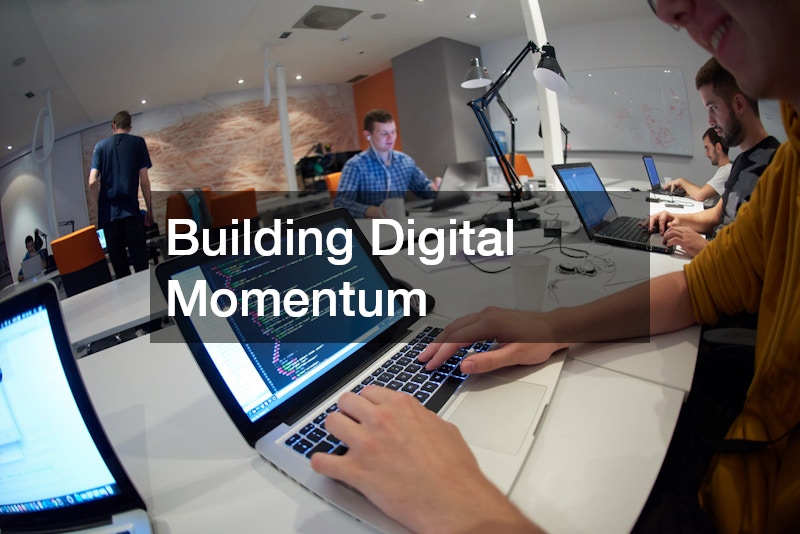
While the physical elements of the building and team are coming together, a parallel marketing effort must take place in the virtual world. A common mistake is assuming that people will automatically discover a new store simply because it exists on a street corner. In the modern business landscape, consumers look online before they ever visit a physical storefront. Building an active digital audience well in advance ensures a steady stream of traffic from the moment the doors open.
An effective pre-launch strategy relies heavily on a targeted digital marketing campaign to build local excitement. This involves optimizing online business listings, creating localized search engine advertisements, and building a strong presence on social media platforms. Maintaining a continuous online dialogue keeps your audience engaged and eager for updates. Sharing behind-the-scenes update photos of the construction process or introducing the newly hired staff helps local residents feel personally connected to the business. By capturing emails and building an online community early, a company creates a ready-made audience of eager customers waiting for opening day. Engaging with potential patrons digitally ensures that the brand builds momentum before transactions begin.
Preparing Physical Marketing Assets
Even in an increasingly virtual world, physical marketing materials remain incredibly effective for brick-and-mortar operations. Handing someone a beautifully crafted item creates a tactile connection that digital ads simply cannot replicate. When neighbors and local business owners receive physical invitations, they are far more likely to remember the name of the new establishment down the street. Combining online outreach with tangible goods creates a comprehensive marketing strategy that covers all bases.
To prepare for the opening event, a company should utilize professional printing services to create high-quality physical collateral. This includes ordering standard items like executive business cards, informative brochures, product catalogs, and vibrant opening-day flyers. Leaving a tangible item behind creates an enduring brand footprint inside a potential client’s home. Distributing these items to nearby businesses or mailing them directly to local residents helps spread the word throughout the immediate geographic area. Having a stash of polished, printed materials ready at the front desk allows staff to hand out valuable information to every new visitor, keeping the brand top-of-mind long after they leave.
The Grand Opening and Continuous Optimization
The final countdown to the grand opening involves running through a comprehensive checklist to ensure every single detail is perfect. A few days before the official launch, it is wise to hold a soft opening for friends, family, and neighboring business owners. This trial run allows the newly hired staff to practice their roles, tests the efficiency of the point-of-sale systems, and reveals any minor operational bottlenecks that need to be resolved before the general public arrives. Gathering direct feedback during this practice phase allows your management team to refine workflows.
Once the doors finally open to the public, the primary focus shifts from setup to long-term operational optimization. Every system, from the physical security protocols to the ongoing marketing campaigns, should be evaluated regularly to ensure maximum efficiency. Opening a physical location requires immense dedication, financial investment, and reliable industry professionals. By systematically checking off every operational requirement, entrepreneurs can build a safe, visible, and highly successful brick-and-mortar enterprise that thrives within the local community for many years to come.