Establishing a resilient business requires looking far beyond digital firewalls to secure your physical premises, operational infrastructure, human capital, and long-term financial health. Modern organizations face a complex web of vulnerabilities. A single lapse in facility access, a preventable workplace injury, a cyber breach, or poor cash flow management can compromise years of hard-earned growth.
Comprehensive business protection demands a multi-layered strategy. By proactively mitigating risks across physical security, environmental safety, supply chain logistics, digital infrastructure, and fiscal planning, business owners can maintain operational continuity, minimize legal liability, and protect their bottom line. Taking early, decisive steps to safeguard your commercial assets prevents compounding operational costs and protects your brand’s reputation in an increasingly competitive marketplace.
Perimeter Control and Physical Access Security
Securing your business begins at the property line. Establishing strong physical barriers and restricting unauthorized access to your facilities creates a critical first line of defense against theft, vandalism, and corporate espionage. Physical security measures not only protect tangible assets like inventory and equipment, but they also protect the employees working inside.
A comprehensive entry-point audit should be conducted annually to identify weak latching mechanisms, worn deadbolts, and outdated key systems. Commercial properties often fall victim to unmonitored key duplication, where former employees retain access to sensitive areas long after their departure. Partnering with commercial locksmiths ensures your facility utilizes master key systems, restricted keyways that prevent unauthorized duplication, and heavy-duty Grade 1 hardware designed to withstand physical force. Upgrading to restricted key systems eliminates the threat of illicit key cutting at local hardware stores, keeping your building access strictly regulated.
Beyond standard entry doors, commercial overhead bays, loading docks, and garage entries represent massive structural access points that require specialized security measures. Leaving loading bays vulnerable creates easy targets for cargo theft and unauthorized building entry. Installing heavy-duty liftmaster garage door openers equipped with rolling code technology, automated closing timers, and remote monitoring capabilities ensures these large portals remain securely shut when not actively in use. Integrating these systems with central security access logs allows facility managers to track vehicle entry times, verify driver credentials, and maintain absolute control over who enters the loading grounds. Modern commercial openers can also be programmed to send real-time alerts to security personnel whenever a bay door is left open past a specified operational threshold.
Building Safety and Structural Liability Mitigation
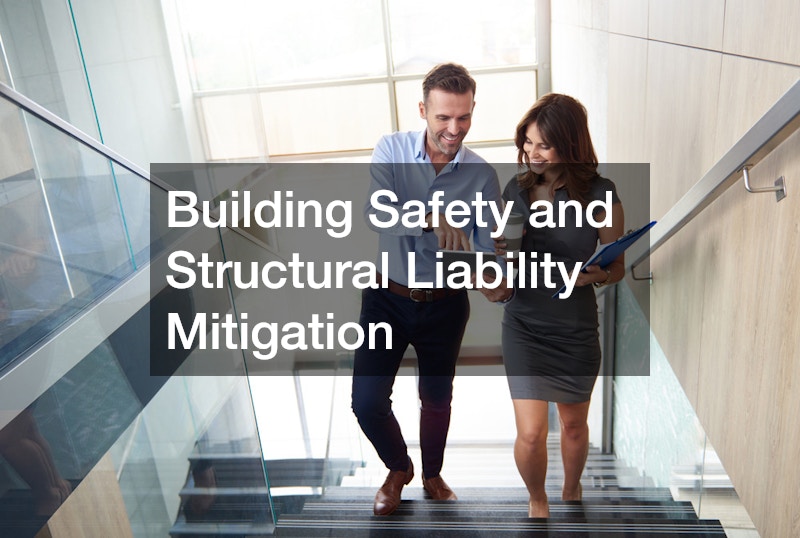
Physical security extends to the internal environment of your facility. Business owners hold a legal and ethical duty of care to provide a safe physical space for employees, clients, and visitors. Failing to maintain structural elements or fire safety systems can result in catastrophic injuries, expensive personal injury lawsuits, and severe OSHA penalties.
Preventing slip, trip, and fall hazards requires constant vigilance, particularly in multi-level offices, industrial warehouses, and public-facing retail spaces. High-traffic walkways, mezzanines, and stairwells demand robust structural supports. Installing commercial stair and railings built to exact building codes, featuring anti-slip treads, continuous handrails, and proper toe-boards, dramatically reduces fall risks. Regular structural inspections should check for loose balusters, rusted welds on exterior fire escapes, structural deflection in elevated platforms, and inadequate lighting along interior stair towers. Maintaining uniform step height and depth across all staircases removes subtle tripping hazards that frequently cause severe workplace slips.
Fire prevention and rapid containment represent another non-negotiable aspect of facility safety. Fires can destroy millions of dollars in physical capital within minutes while threatening human life. Facilities must install, test, and maintain automatic commercial fire suppressions tailored to their specific operational hazards. Standard water sprinklers may suffice for general office space, but specialized environments like commercial kitchens, server rooms, and chemical storage units require wet-chemical, dry-chemical, or clean-agent gas suppression systems that extinguish blazes without ruining sensitive equipment or spreading grease fires. Automated system triggers must be linked directly to municipal fire dispatch systems to ensure immediate emergency response even during off-hours.
Workplace Operations and Employee Safety Compliance
Human capital is every organization’s most valuable asset. In industrial, manufacturing, and logistics environments, protecting employees requires a rigorous commitment to operational safety, machinery maintenance, and regulatory compliance. Heavy equipment mishaps remain a leading cause of severe workplace injuries, operational downtime, and costly equipment repairs.
To maintain a safe production floor or warehouse environment, business managers must enforce strict operator qualification standards. Investing in comprehensive forklift training services ensures that all material handling equipment operators understand stability triangles, load capacities, safe travel speeds, and pedestrian awareness protocols. OSHA requires formal instruction, practical training, and workplace performance evaluations every three years, but top-tier businesses implement annual refresher courses to eliminate unsafe driving habits before accidents happen. Training programs should also emphasize proper battery charging procedures, propane tank swapping protocols, and tip-over survival actions.
Beyond operator education, workplace safety depends on structured operational daily routines. Establishing clear visual management systems, such as floor-striping for pedestrian walkways, physical collision barriers around structural columns, and designated parking bays for heavy machinery, significantly lowers collision risks. Management must foster an open reporting culture where workers feel empowered to highlight mechanical issues or near-miss incidents without fear of reprisal. Proactive equipment maintenance and clear operational guidelines keep heavy machinery running smoothly while keeping workers safe from preventable harm.
Supply Chain and Asset Protection During Transit
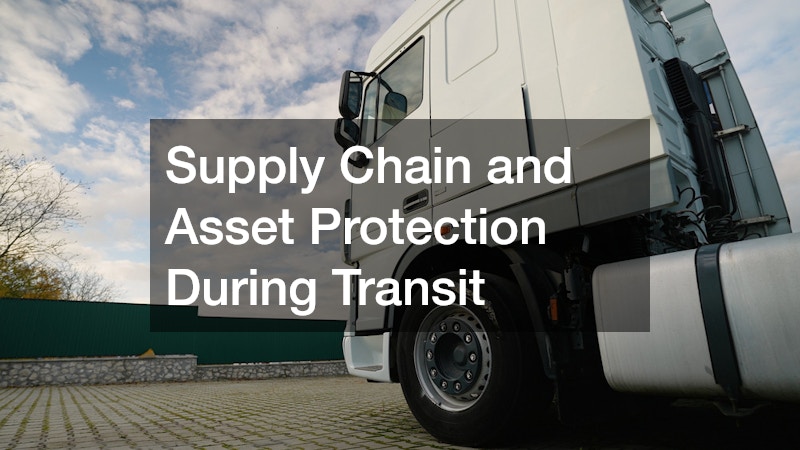
Safeguarding your business assets does not end when products leave your loading bay. Supply chain disruptions, transit damage, and cargo theft can erode profit margins and damage customer relationships. High-value equipment, sensitive electronics, and precision machinery require specialized packaging and logistics strategies to survive long-distance transport across complex global supply routes.
Standard cardboard boxes and generic wooden pallets are often inadequate for protecting delicate or heavy industrial goods against the harsh realities of intermodal freight transit. Utilizing engineered, custom-built certified crates guarantees that cargo can withstand severe vibration, impact shocks, pressure shifts, and stacking stresses during ocean, air, or rail transport. Professional crating specialists design internal blocking, bracing, and cushioning tailored specifically to the payload’s center of gravity and fragile components. Using heat-treated timber that meets international phytosanitary standards prevents customs rejections at foreign ports of entry.
In addition to physical shock protection, environmental factors such as humidity, saltwater air, and extreme temperature changes pose severe threats to sensitive inventory during transit. Microscopic moisture condensation inside shipping containers can cause rapid oxidation on metal parts or short-circuit high-end electrical components. Enclosing sensitive goods in heat-sealed vapor barrier packaging along with specialized industrial desiccants creates a microclimate that shields delicate hardware from salt spray, ambient moisture, and thermal shocks during transoceanic shipping routes.
Facility Maintenance and Environmental Health Controls
Overlooking commercial utility systems and environmental health controls can lead to sudden facility shutdowns, severe structural damage, and costly municipal code violations. Business protection requires keeping underground infrastructure, waste management networks, and sanitation facilities in optimal operating condition.
Commercial facilities, hospitality venues, and industrial complexes often rely on heavy-duty, multi-stage liquid waste systems to handle high daily volumes of wastewater. Neglecting these underground networks leads to toxic backups, foul odors, structural pipe failures, and severe environmental contamination. Contracting regular professional septic inspection services helps identify structural tank cracks, failing baffle tees, high sludge levels, grease accumulation, and pipe corrosion long before a major sewage backup forces your business to close its doors. Technicians utilize specialized cameras to inspect main sewer connections and ensure waste moves efficiently off your commercial property.
Environmental health protection also encompasses air quality monitoring, chemical waste disposal, and mold prevention inside commercial buildings. Poor indoor air quality reduces employee productivity, increases sick leave usage, and opens the door to worker compensation claims related to building-borne illnesses. Proper ventilation system filtration, routine duct cleaning, and prompt repair of plumbing leaks maintain a clean internal environment that protects staff health and prevents structural decay within walls and ceiling spaces.
Parking Lot Management and Property Boundary Oversight
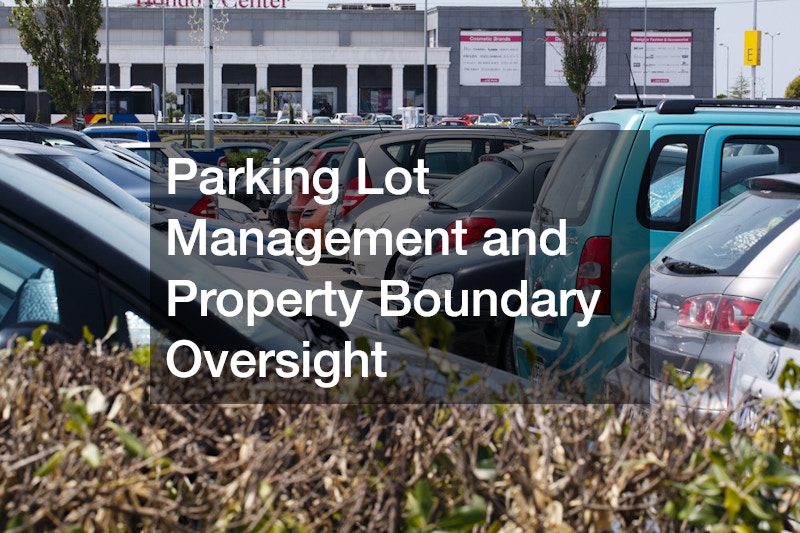
The exterior parking grounds and vehicle access bays represent an often-overlooked area of business liability and security risk. An unmanaged parking lot can quickly become a haven for unauthorized vehicle storage, loitering, illegal dumping, traffic accidents, and vehicle break-ins—all of which project a negative image of your brand and create safety hazards for your staff and customers.
Establishing clear operational control over exterior parking areas requires combining strategic lighting, clear boundary markers, physical security patrols, and active private parking enforcement. Working with professional towing and parking management partners allows businesses to enforce permit-only zones, keep fire lanes clear, limit overnight parking, and reserve dedicated spaces for customers and accessible drivers. Clear, legally compliant signage placed at all property entrances establishes the rules of engagement, warning unauthorized drivers that improperly parked vehicles will be ticketed or towed at the owner’s expense.
Illumination and physical layout play massive roles in mitigating parking lot crime and vehicle collisions. Replacing old halide light fixtures with high-efficiency LED floodlighting eliminates dark zones around building corners, trash enclosures, exterior break areas, and perimeter fencing. High-intensity lighting, paired with high-definition surveillance cameras and License Plate Recognition technology, acts as a powerful deterrent against vehicle theft, hit-and-run property damage, and unauthorized dumping on private grounds.
Cyber Defense and Digital Infrastructure Resilience
In an increasingly connected global marketplace, digital vulnerabilities pose just as much threat to business survival as physical break-ins or structural fires. A single data breach, ransomware attack, or extended cloud outage can paralyze business operations, leak sensitive customer records, destroy brand trust, and result in catastrophic financial penalties.
Building a secure digital environment requires shifting from basic antivirus software to an enterprise-grade cyber defense posture. Small and mid-sized organizations frequently lack the internal bandwidth to combat sophisticated phishing campaigns, zero-day exploits, and ransomware threats on their own. Contracting an expert computer it service provider allows businesses to implement round-the-clock network monitoring, managed detection and response, hardware patch management, and automated vulnerability scanning across all network endpoints. Professional IT teams ensure your firewalls are correctly configured and that legacy hardware is retired before it creates backdoors for cybercriminals.
Beyond real-time network defense, business protection depends heavily on data redundancy and business continuity planning. System crashes, hardware failures, or ransomware encryption can permanently wipe out financial ledgers, customer databases, and proprietary software files. Organizations must enforce robust backup strategies: maintain three total copies of all critical data, across two different media types, with at least one immutable copy stored safely off-site in an air-gapped cloud environment. Testing system restoration procedures quarterly guarantees that your company can bounce back rapidly from major digital disruptions without paying ransom or losing essential operational records.
Long-Term Financial Planning and Risk Structuring
A business can boast impenetrable physical security, a compliant safety culture, and flawless cyber defenses, yet still collapse due to poor financial management, liquidity shortages, or unmitigated liability exposure. Financial protection is the cornerstone that supports every other operational arm of your enterprise.
Safeguarding corporate capital requires balancing immediate operational cash flow with long-term wealth preservation and risk structuring. Business owners often tie up the vast majority of their personal and corporate equity back into company inventory or equipment, leaving them dangerously exposed during economic downturns, market shifts, or sudden partner departures. Aligning your enterprise with an experienced financial advisor and wealth management expert helps structure tax-advantaged capital reserves, establish liquid emergency funds, build executive retention plans, and diversify corporate assets outside of the core business. These advisors help structure key-person policies that keep the company stable should a founder or key executive unexpectedly pass away or become disabled.
Comprehensive financial risk management also involves building a bulletproof commercial insurance portfolio and establishing clear corporate succession plans. Insurance policies should be reviewed annually to verify that coverage limits keep pace with business growth, asset acquisitions, inflation, and expanding operational footprints. Maintaining comprehensive general liability, commercial property, professional errors and omissions, cyber liability, and umbrella coverage shields your corporate balance sheet from catastrophic court judgments or sudden property destruction.
Building a Unified Business Protection Strategy
Protecting a modern enterprise demands an integrated approach. Physical access locks, structural safety protocols, certified equipment operation, specialized transport packaging, utility maintenance, parking control, cyber defense, and wealth management are not isolated concerns—they are complementary components of a complete risk mitigation strategy.
A breakdown in any single area can disrupt the entire organization. A cyber breach can freeze operations just as effectively as a warehouse fire, a structural collapse, or a frozen bank account. When physical security teams communicate with IT departments, facility managers coordinate with safety directors, and financial planners align with executive leadership, the organization creates a resilient defense model capable of absorbing unexpected operational shocks.
By systematically addressing vulnerabilities across physical security, structural safety, operational training, supply chain logistics, underground utilities, exterior grounds, digital networks, and corporate finances, leadership teams can move from reactive firefighting to a proactive culture of total risk management. Conducting regular cross-departmental risk audits, partnering with certified industry experts, and investing in preventative maintenance protects your enterprise against catastrophic losses.
Prioritizing business protection builds a stable operational foundation that reassures clients, lowers insurance premiums, attracts top-tier talent, and safeguards corporate profitability. Taking proactive ownership of your physical, digital, and financial security today guarantees the long-term survival, continuity, and prosperity of your enterprise for decades to come.