
The moment a major building project nears its end, a strange mix of excitement and pressure takes over. For property owners and facility managers, the transition from a construction site to a functional workspace is a complex dance. It is the point where the dust begins to settle, and the reality of daily operations starts to take shape. This transition is known as the handover. While it might seem like a simple matter of swapping keys, a professional handover involves a deep dive into technical systems, safety protocols, and aesthetic finishing touches.
The goal is to ensure that every square inch of the property is not only built to code but also ready to support the specific needs of the business it will house. Whether the project is a sleek new office block, a retail center, or a specialized industrial facility, the handover process requires a structured approach. Failing to catch a small error during this phase can lead to significant headaches and extra costs months down the line. To avoid these pitfalls, savvy stakeholders rely on a detailed checklist that covers everything from structural integrity to the final administrative setup.
The Role of Construction Oversight
The first stage of any successful handover is the final walk-through with the primary building team. This is where the heavy lifting ends and the fine-tuning begins. Throughout the duration of the build, the commercial contractor has been responsible for coordinating various trades, managing timelines, and ensuring that the structural framework meets the original design specifications. As the project reaches substantial completion, this professional should provide a detailed punch list. This list identifies any remaining minor tasks, such as a missing trim piece or a light switch that feels a bit sticky.
Reviewing the work of the builder isn’t just about spotting flaws; it’s about verifying that all warranties and operating manuals are in order. The property owner needs to know exactly who to call if a pipe leaks or an electrical panel trips three months from now. A high-quality builder will facilitate this by providing a digital or physical “as-built” folder. This documentation reflects the building as it was actually constructed, which often differs slightly from the original blueprinted plans. Having these documents on hand is essential for any future renovations or emergency repairs. It also ensures that the facility management team can hit the ground running with a full understanding of the building’s infrastructure.
Securing the Building Envelope

Once the internal structural checks are underway, the focus shifts to the building’s exterior. The envelope is the first line of defense against the elements, and its integrity is non-negotiable. Large-scale windows and glass partitions play a huge role in modern architecture, offering natural light and a sense of openness. However, they must be installed with precision to ensure energy efficiency and safety. During the handover, it is vital to verify the work performed by a commercial glass company to ensure there are no seal failures or hairline fractures.
Check the perimeter of all large glass installations for proper caulking and weather stripping. If the building utilizes high-efficiency or tinted glass, verify that the correct materials were used as specified in the energy model. Poorly installed glass can lead to significant air leaks, which will drive up utility costs and put unnecessary strain on the HVAC system. Furthermore, in retail environments, the glass is often a primary security feature. Ensuring that the glazing is seated correctly in its frame prevents rattling during high winds and provides a more formidable barrier against potential intruders. This phase of the checklist confirms that the building is not only beautiful but also watertight and airtight.
Managing Access and Egress Points
A building is only as functional as its entryways. Doors are high-traffic areas that undergo constant wear and tear from the very first day. As part of the handover, every single exterior entrance must be tested for smooth operation and proper latching. This is the time to review the installations provided by exterior door companies to ensure they meet fire safety codes and ADA (Americans with Disabilities Act) accessibility standards. A door that hangs slightly crooked or a closer that slams too hard isn’t just an annoyance; it is a liability.
Examine the thresholds for any tripping hazards and ensure that the seals at the bottom of the doors are making full contact with the floor to prevent drafts. In commercial settings, automatic doors or heavy-duty steel entries require specialized attention. The hardware, including hinges and panic bars, should be checked for durability. If the doors are integrated into a central electronic access system, they must be tested to ensure they lock and unlock according to the programmed schedule. This step in the checklist ensures that the flow of people into and out of the building is controlled, safe, and efficient.
Specialized Climate and Storage Systems

For businesses in the food, medical, or floral industries, the stakes of a property handover are even higher. These facilities often require sophisticated cooling systems that go far beyond standard air conditioning. Before the keys are handed over, the owner must verify the performance of any walk-in coolers, freezers, or specialized temperature-controlled rooms. Establishing a relationship with a reliable commercial refrigeration service at this stage is a smart move for long-term operational health.
During the inspection, check that all refrigeration units reach their target temperatures within the expected timeframe. Look for any signs of vibration in the piping or leaks in the refrigerant lines. It is also the perfect time to ensure that monitoring alarms are functioning correctly. If a cooling unit fails in the middle of the night, the system should be able to alert the facility manager before any inventory is lost. Testing these systems under load—meaning with the doors opening and closing frequently—provides a realistic look at how they will perform once the business is fully operational. This proactive check helps avoid the catastrophic cost of spoiled goods during the first week of business.
Final Aesthetic Touches and Branding
As the technical systems are vetted, the focus moves to the visual appeal of the space. The environment a business creates for its employees and customers says a lot about its brand values. High-quality finishes can transform a sterile construction site into an inviting professional atmosphere. This is the stage where the work of commercial painting companies is scrutinized. Every wall should be inspected under bright light to check for consistency in color, smooth transitions at the corners, and the absence of drips or “holidays” (areas where the paint is too thin).
The choice of paint is more than just a color preference; in commercial settings, it involves choosing the right sheen and durability for the intended use. High-traffic hallways require scuff-resistant coatings, while executive offices might benefit from a more sophisticated matte finish. Beyond the walls, the handover checklist should include an inspection of all baseboards, crown moldings, and specialized wall coverings. Ensuring that the interior aesthetics are flawless before the furniture arrives prevents the need for messy touch-ups later. A clean, professional paint job provides the backdrop for everything else that follows in the workspace.
Enhancing the External Environment
The handover isn’t limited to what happens inside the four walls. The exterior of the building serves as the “handshake” with the public. To create a comfortable and branded exterior, many businesses opt for permanent shading solutions. Reviewing the installation work done by commercial awning installers is a key part of the exterior checklist. These structures must be securely anchored to the building’s facade to withstand wind loads and heavy rain.
Check the tension of the fabric or the alignment of the metal panels on the awnings. They should provide the intended shade without obstructing signs or security cameras. Additionally, ensure that any drainage from the awnings is directed away from pedestrian walkways to prevent puddles or icy patches in the winter. Awnings also contribute to energy efficiency by reducing the amount of solar heat gain through the windows. Verifying that they are positioned correctly according to the sun’s path can lead to noticeable savings on cooling costs. This exterior focus ensures that the property is as functional and welcoming on the sidewalk as it is in the lobby.
Interior Configuration and Workflow
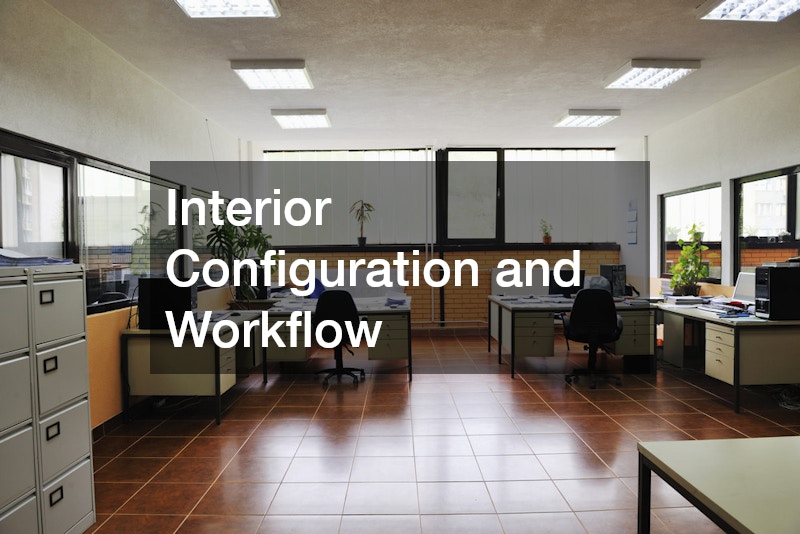
With the shell and finishes complete, the building is ready for its contents. Moving furniture into a new commercial space is a massive logistical undertaking that can easily result in wall scuffs or floor damage if not handled correctly. A professional office furniture installer will work from a detailed floor plan to ensure that desks, cubicles, and filing systems are placed exactly where they need to be. This phase of the handover checklist focuses on the ergonomics and flow of the workspace.
Each workstation needs to be checked for stability and proper connection to power and data ports. If the office uses modular furniture or height-adjustable desks, each mechanism should be tested. This is also the time to ensure that the layout maintains clear paths for emergency exits and doesn’t block any air vents or thermostats. A well-organized furniture setup does more than just look good; it directly impacts employee productivity and comfort. By having a professional team handle the assembly and placement, the business owner can be confident that the furniture is installed according to the manufacturer’s safety standards.
Implementing a Comprehensive Security Plan
As the property nears its go-live date, the focus on protection becomes paramount. A building full of new equipment and furniture is a prime target if not properly secured. The handover process must include a full audit of the business security infrastructure. This includes testing motion sensors, verifying the placement of high-definition cameras, and ensuring that the alarm monitoring service is active and receiving signals.
The security checklist should involve a “red team” approach—literally walking through the building and trying every door and window from the outside. Check that the cameras provide clear sightlines of all entry points, parking lots, and sensitive internal areas like server rooms. If the building uses an integrated security platform, ensure that the mobile app or desktop interface is user-friendly for the designated staff members. Security is not a “set it and forget it” feature; it requires a baseline check during the handover to ensure that there are no blind spots or technical glitches in the surveillance network.
Access Management and Key Protocols

One of the most overlooked parts of the handover is the management of physical keys. During construction, dozens of subcontractors, inspectors, and delivery drivers may have had access to the building. Once the project is officially turned over to the owner, the existing “construction cores” in the locks must be replaced. Scheduling a rekey lock service is a critical security step that ensures the owner has total control over who can enter the premises.
This process involves more than just handing out new keys. It is an opportunity to establish a master key system, where certain employees have access to the whole building while others are restricted to specific zones. The locksmith should provide a detailed key schedule, documenting how many keys were made and who holds them. Testing every lock with the new keys is a tedious but necessary task. A key that sticks or a deadbolt that doesn’t fully engage can lead to a security breach. Finalizing the lock system is the symbolic end of the construction phase and the true beginning of the owner’s possession.
Administrative Clean-Up and Privacy Compliance
The final step in the handover checklist is often the most administrative. Construction projects generate an incredible amount of sensitive paperwork, including blueprints, contracts, vendor lists, and financial records. As the team moves into the new space, it is common to find boxes of old drafts and confidential site plans that are no longer needed. To maintain a clean and professional environment, arranging for a document shredding service is the best way to handle this clutter.
Properly disposing of these documents is not just about tidiness; it’s about protecting the intellectual property of the project and the privacy of the involved parties. A professional shredding service provides a certificate of destruction, which is important for compliance and liability purposes. Starting the new chapter of the business with a clean, organized filing system sets a high standard for the staff. It prevents the accumulation of “legacy junk” and ensures that the only documents in the new office are the ones that are relevant to future operations.
Finalizing the Handover
A successful property handover is the result of thousands of small details coming together at once. By following a structured checklist, the transition from a construction project to an operational business becomes a manageable process rather than a chaotic one. Each specialist, from the builders to the security experts, plays a vital role in ensuring the building is safe, efficient, and ready for work.
When the last document is shredded and the final lock is turned, the property owner can step into their new space with total confidence. This thoroughness during the handover phase pays dividends for years to come, reducing maintenance costs and providing a superior environment for everyone who enters the building.