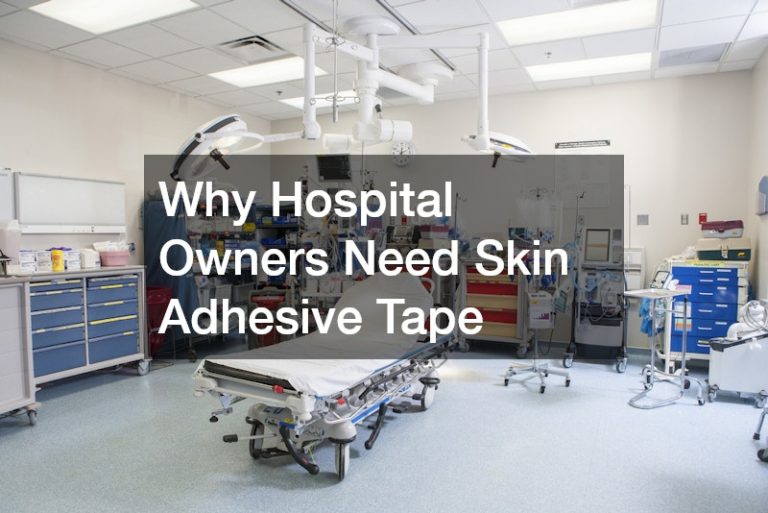
Skin adhesive tape is becoming ever more indispensable in healthcare settings. Its role in modern hospital operations goes beyond simplicity, proving essential for hospital owners to consider as part of their supply strategy.
From enhancing procedural outcomes to improving patient experiences, skin adhesive tape is a vital component in patient care today. Understanding its applications helps underscore its significance within hospital inventory.
The growing necessity of this tool highlights an evolving approach to healthcare where efficiency, cost-effectiveness, and patient comfort are paramount.
1. What are the primary uses of skin adhesive tape in hospitals?
a. Wound care support
Skin adhesive tape plays a crucial role in wound management by securing dressings in place. This ensures that wounds are kept clean and dry, promoting a healthier healing environment.
Its ability to provide stability helps protect wounded areas from further damage or contamination. Hospital owners recognize that using quality adhesive tape can make a significant difference in patient recovery times.
b. Surgical applications
During surgeries, skin adhesive tape aids in securing tubes, dressings, and devices, contributing to procedural efficiency. This support allows surgical teams to focus on precision and effectiveness without worrying about tape failure.
By providing a reliable hold, adhesive tapes help in reducing the risk of surgical complications, enhancing patient safety. The durable nature of these tapes ensures that they stay intact throughout procedures.
2. How does skin adhesive tape improve patient care?
a. Enhancing comfort and healing
The comfort of patients is prioritized with the use of skin adhesive tapes that are specifically designed to be gentle on the skin. Their application results in minimal discomfort, fostering a more positive patient experience.
Furthermore, these tapes support the natural healing process by protecting sensitive skin areas without restricting movement. Such protection is paramount in both acute and chronic wound management.
b. Reducing risk of infections
Properly applied adhesive tapes help form a barrier against contaminants, significantly reducing the risk of infections. This can be especially crucial in environments where cleanliness and safety are priorities.
Their role in infection control is a fundamental aspect appreciated by healthcare providers, highlighting the importance of quality tape. Efficient infection prevention reduces hospital readmissions and improves overall care.
3. What are the cost implications of using skin adhesive tape?
a. Cost-effectiveness in patient care
Skin adhesive tape is widely recognized as a cost-effective solution in healthcare settings. Its utilization in wound management helps optimize hospital resource allocation.
Investment in quality adhesive tapes can lead to significant savings by preventing complications. Thus, for hospital owners, these tapes serve as economical and practical supply investments.
b. Long-term savings for hospitals
By contributing to reduced complication rates, skin adhesive tapes generate long-term savings for hospitals. These savings arise from decreased durations of hospital stays and minimized resource consumption.
The direct correlation between tape performance and patient health outcomes justifies the procurement of premium tapes. Hospitals can benefit from better patient throughput and lower costs, enhancing overall financial performance.
4. What qualities should hospital owners look for in skin adhesive tape?
a. Adhesion and flexibility
When selecting adhesive tapes, it is crucial to find products that balance strong adhesion with flexibility. The ability of tapes to conform to patient movements without losing effectiveness is a key consideration.
High-quality tapes should maintain their hold under various conditions to ensure patient safety and procedure success. As hospitals prioritize functional products, flexible yet strong tapes become indispensable.
b. Hypoallergenic properties
Skin sensitivity is a common concern in hospitals, making hypoallergenic adhesive tapes a necessity. Their use reduces the risk of adverse reactions that could complicate patient care.
Hospital owners must prioritize hypoallergenic tapes to ensure patient safety and comfort. This foresight in procurement protects hospitals from potential liability and enhances patient trust.
5. How does skin adhesive tape fit into the future of healthcare technology?
a. Innovations in adhesive technology
The adhesive tape industry continues to evolve with innovations aiming to increase tape efficiency and patient comfort. Research and development efforts focus on creating more durable and adaptable products for healthcare needs.
Emerging technologies seek to improve the effectiveness of skin tapes under varied clinical conditions. As such technologies develop, they open new possibilities for enhancing patient care.
b. Integration with digital health tools
Visionaries speculate on the potential integration of skin adhesive tapes with digital health tools. Such advancements could transform how patient data is monitored and managed.
Integrating sensor technology with adhesive tapes could enable real-time health monitoring, offering immediate insights into patient conditions. This synergy promises to revolutionize patient management and care coordination.